







Optical sensor: definition and basic types
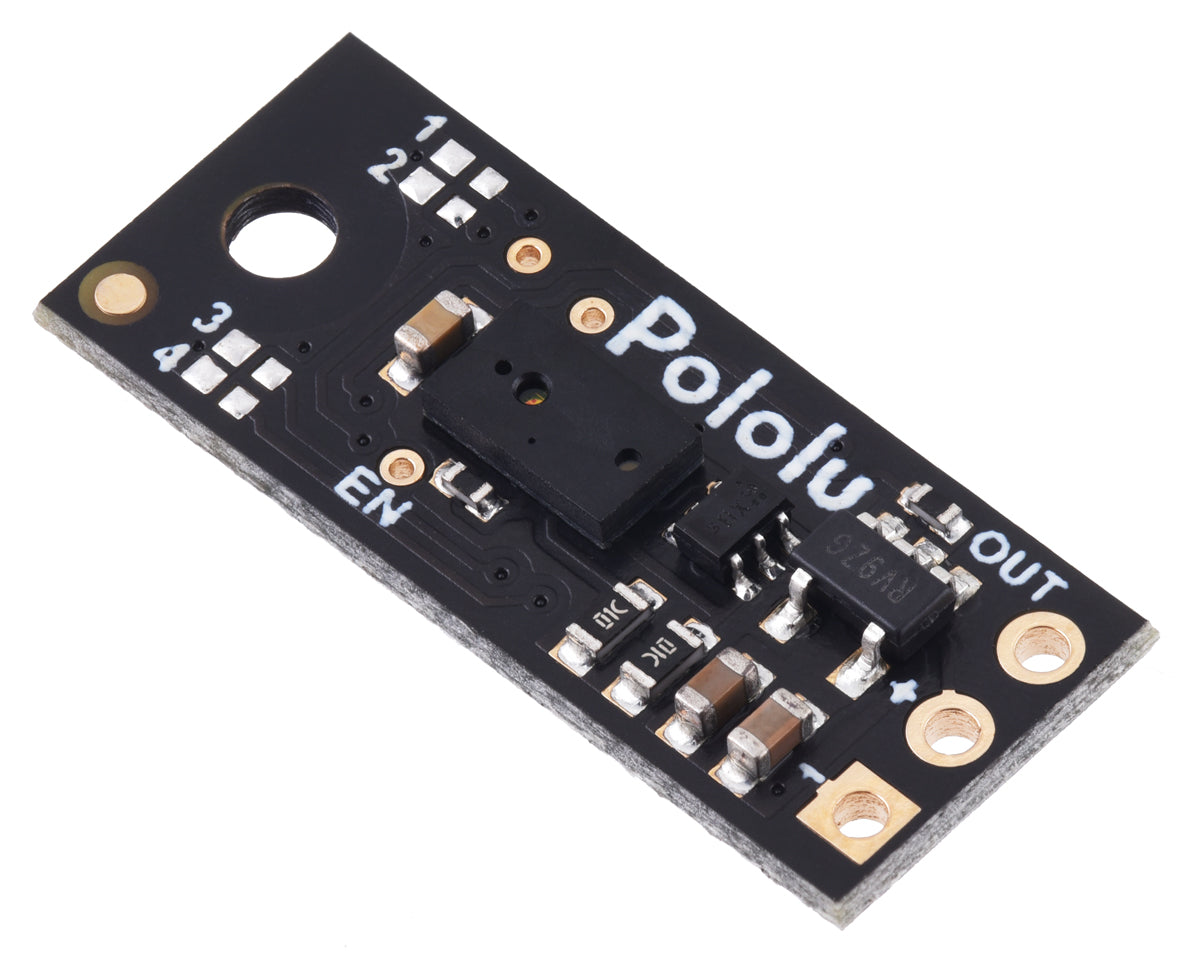
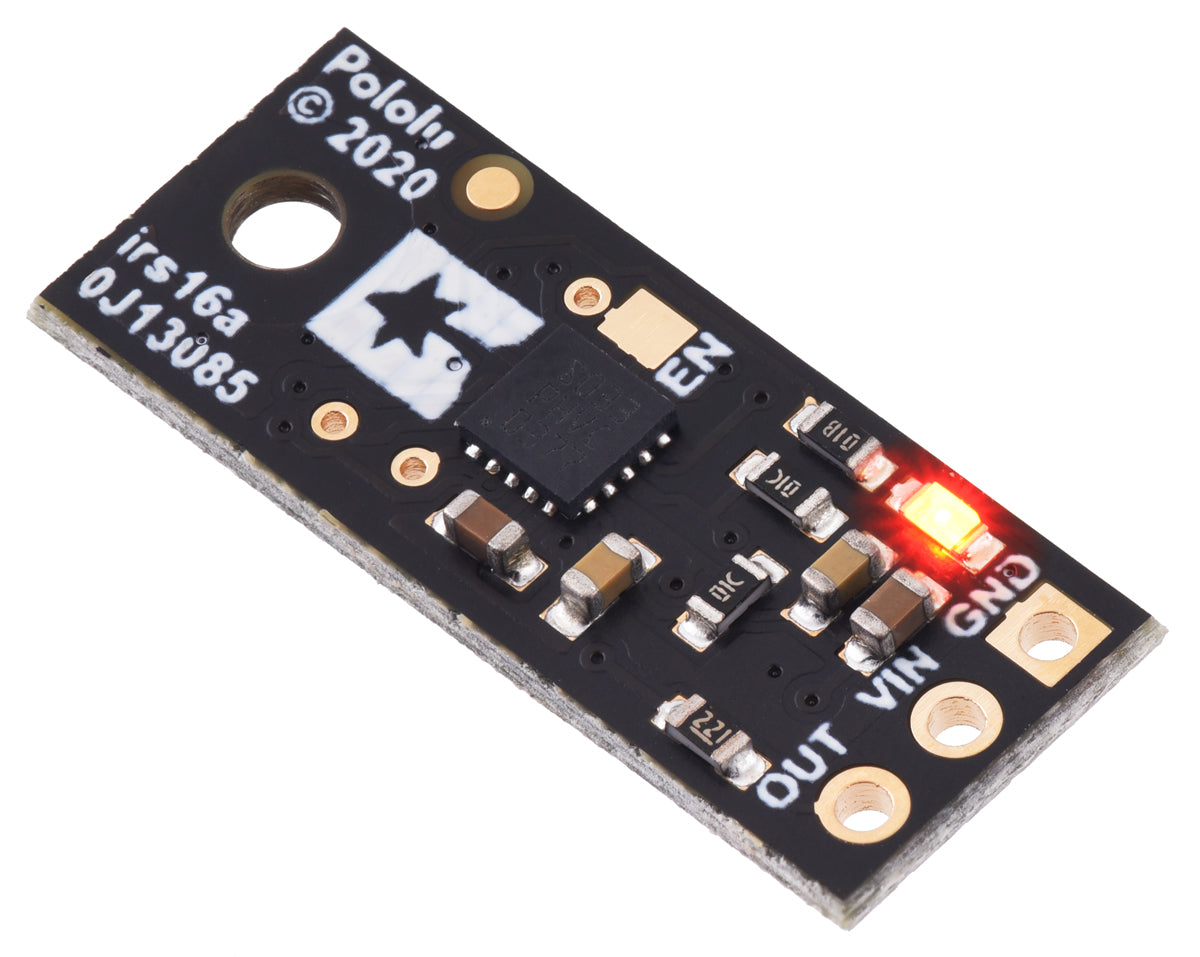
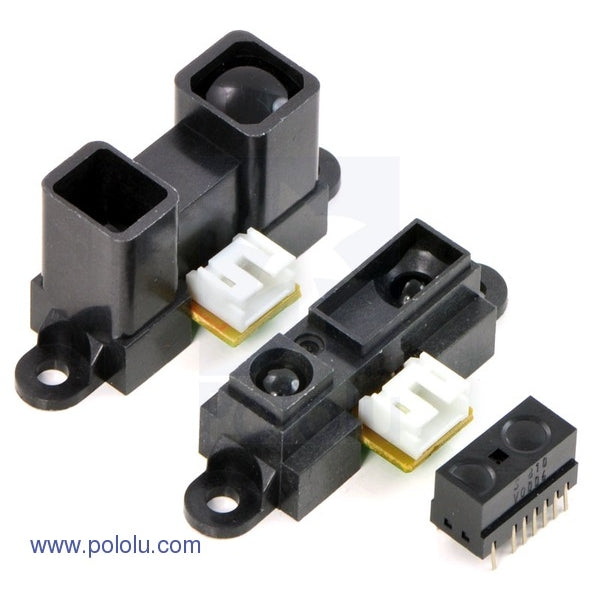
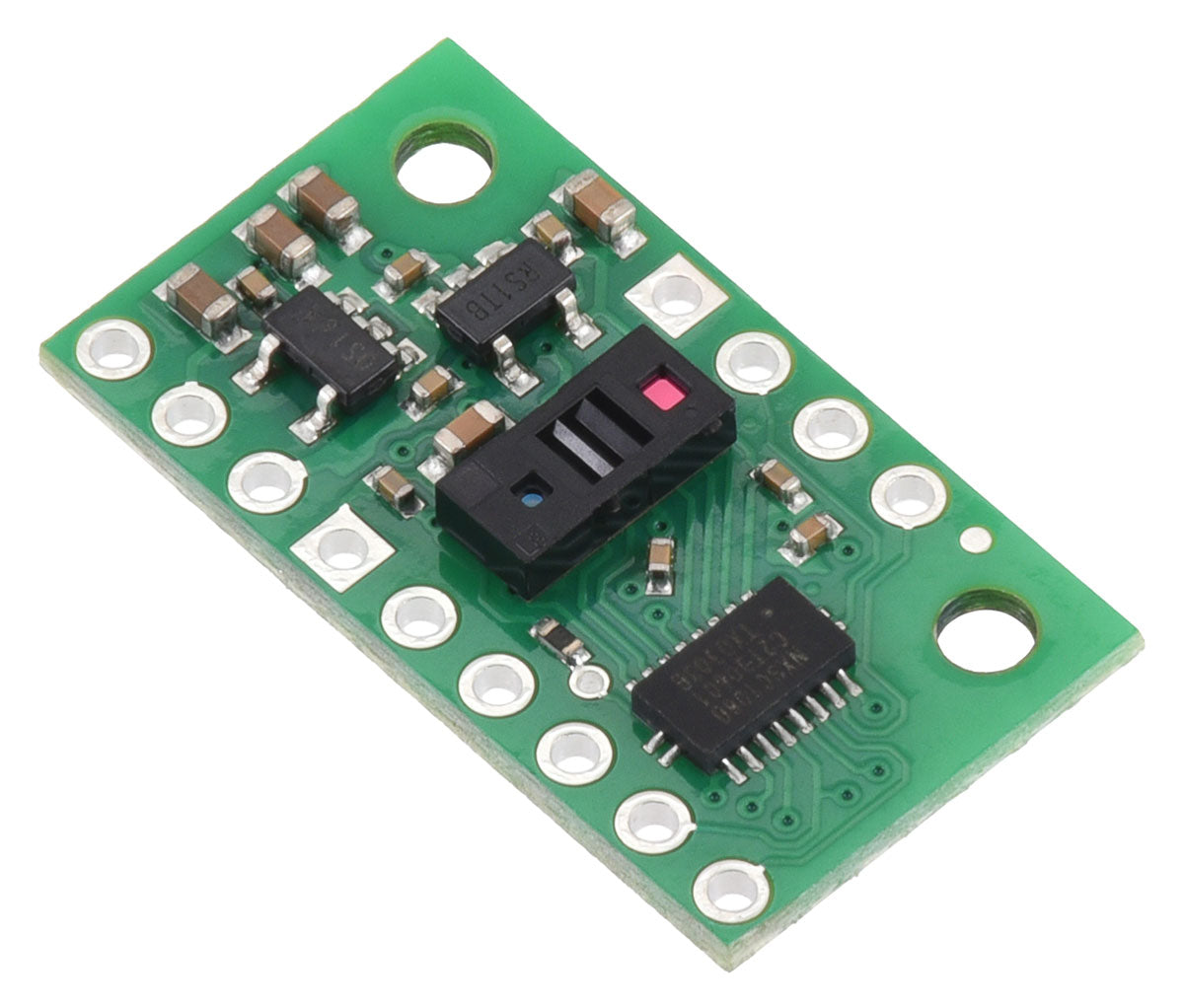
Optical sensors are electronic components that detect objects without touching them. These sensors consist of two main components:
- Transmitter: This module emits a specific light.
- Receiver: This second component evaluates the light.
These sensors usually work with reflected light. The transmitter emits light waves, which are reflected back to the receiver by the object. When optical sensors are used as light barriers, the transmitter and receiver can also be placed in different locations.
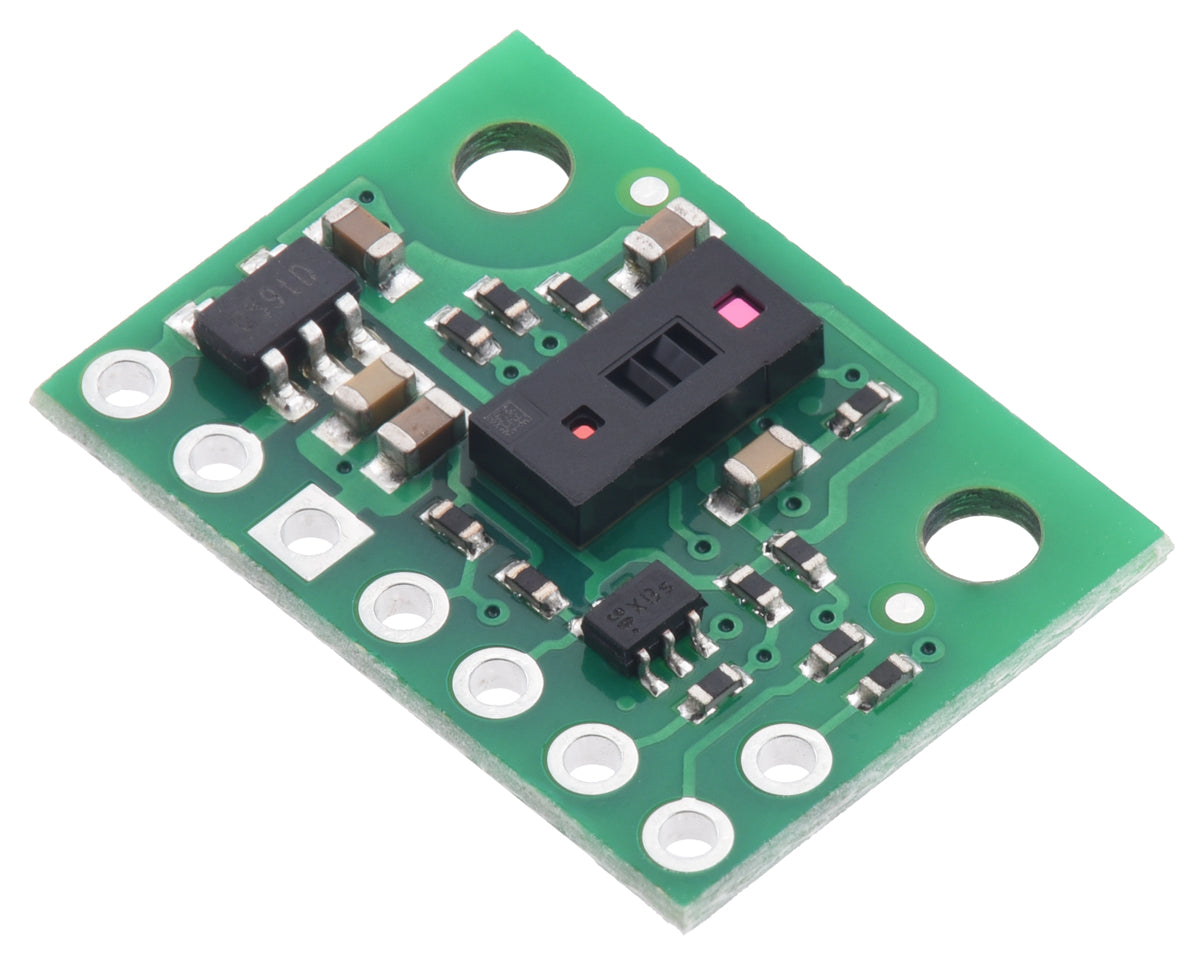
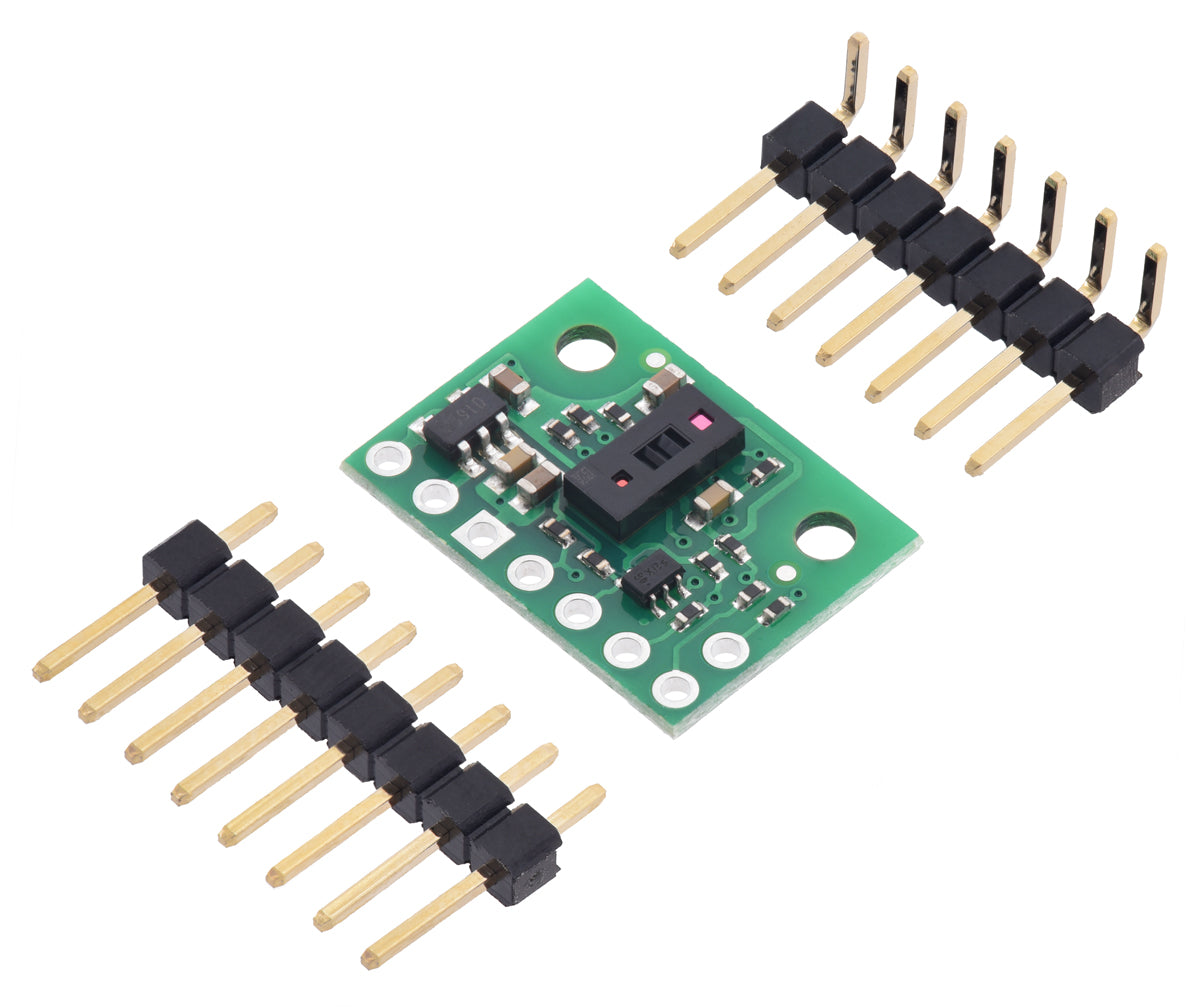
Please note that the term ‘optical sensor’ is a generic term. It covers several subcategories of optical sensors that use different types of light and have different designs. The most important basic types are:
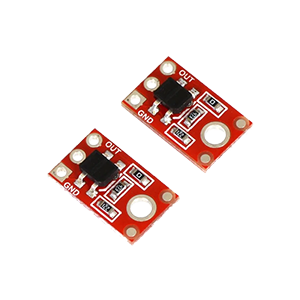
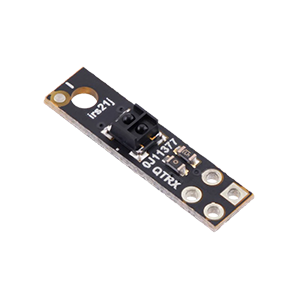
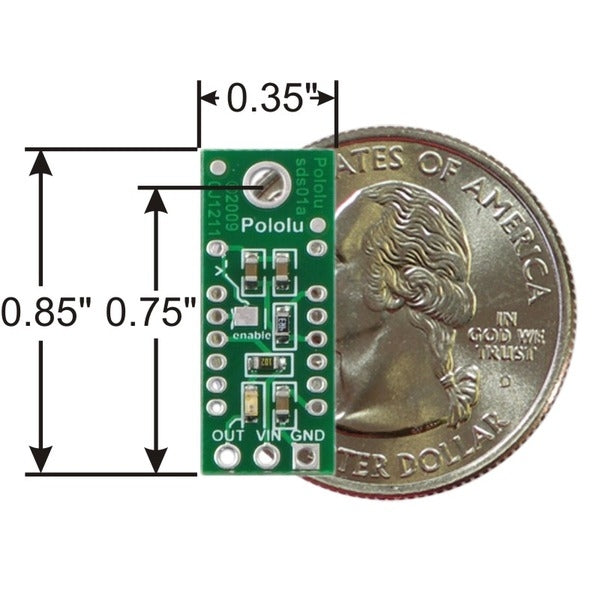
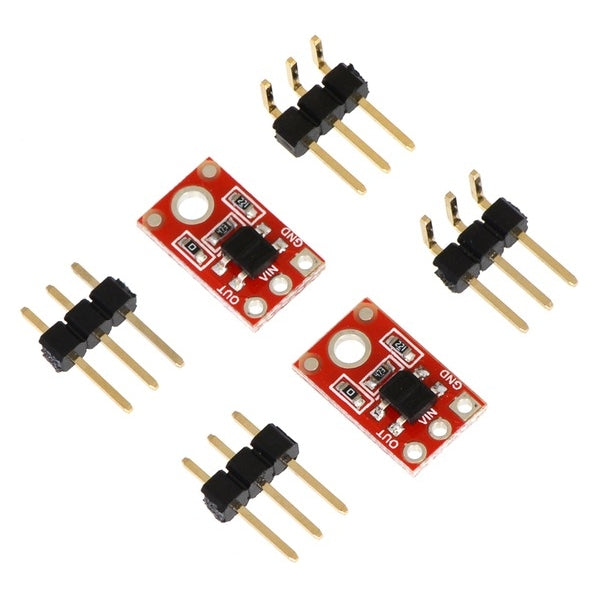
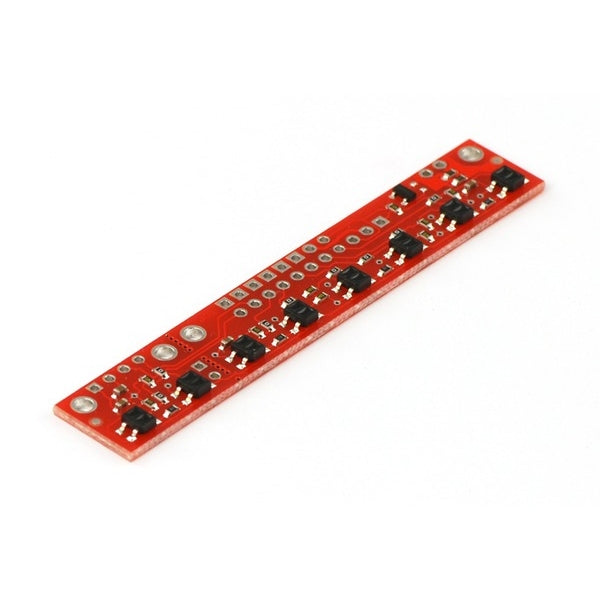
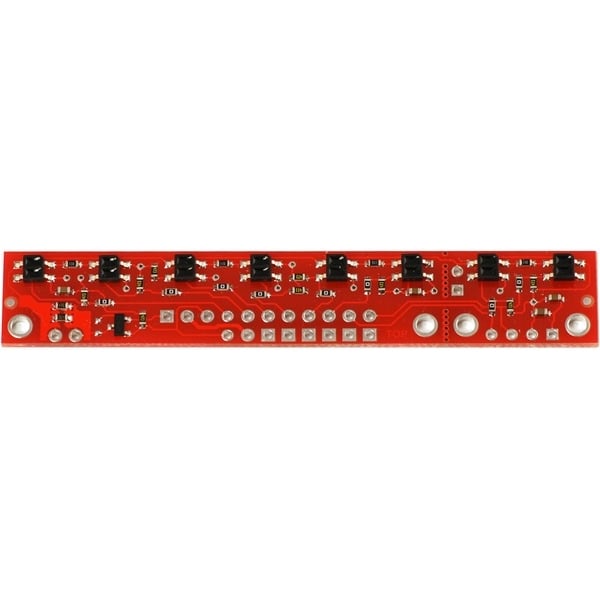
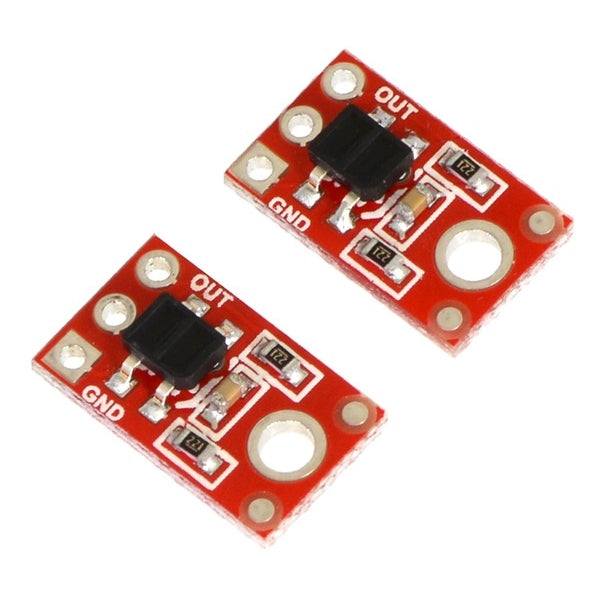
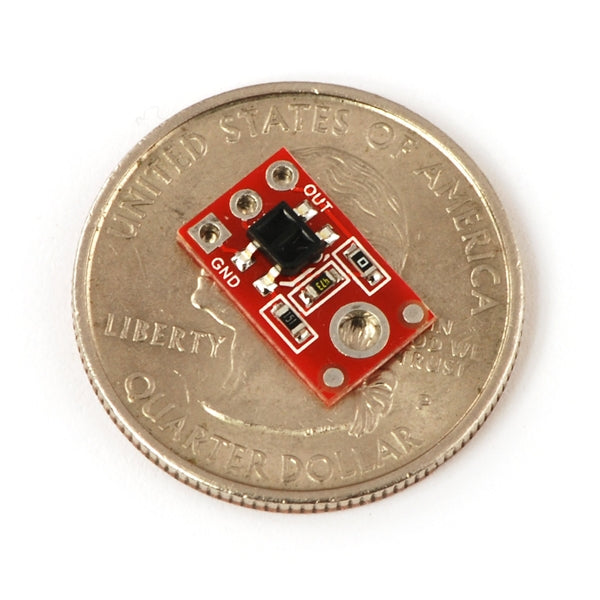
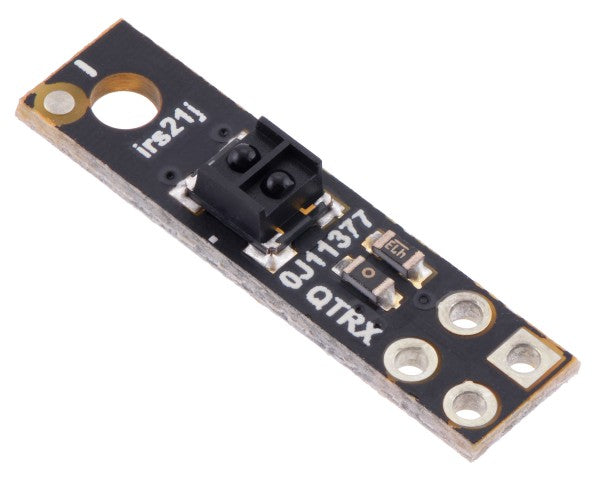
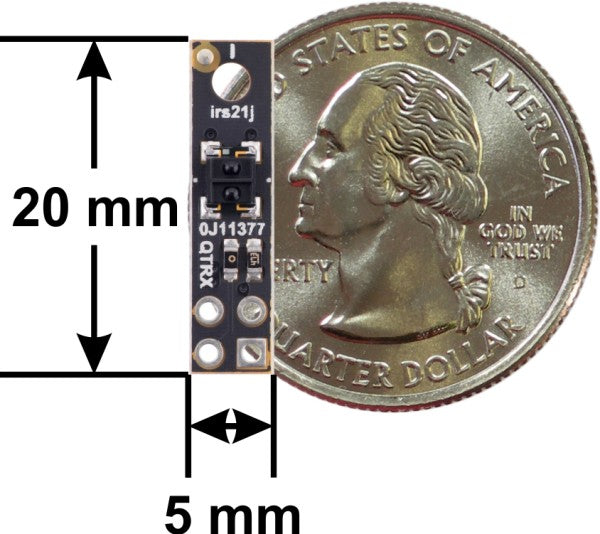
- QTR reflection sensors
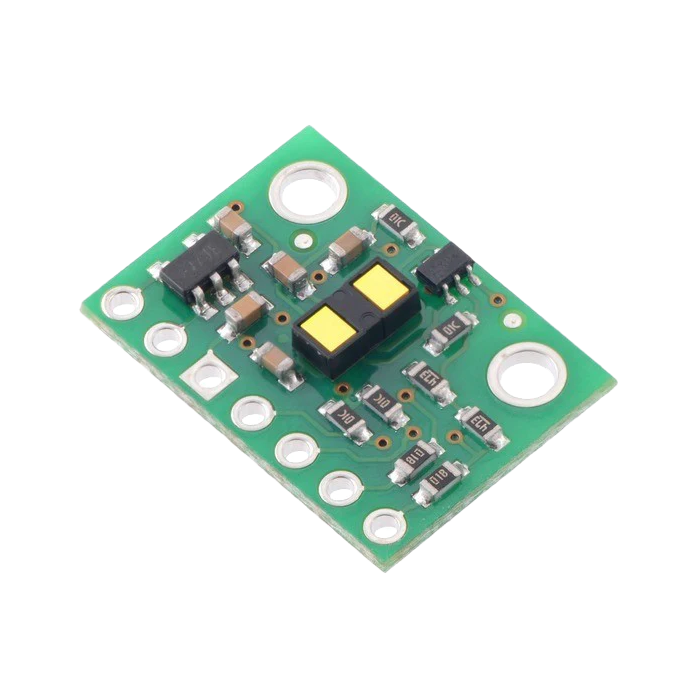
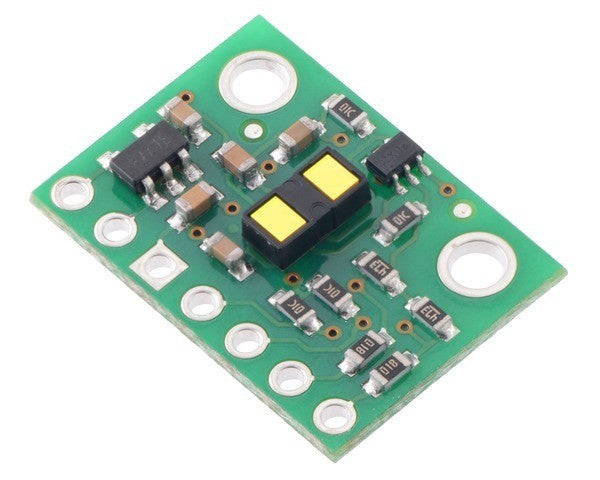
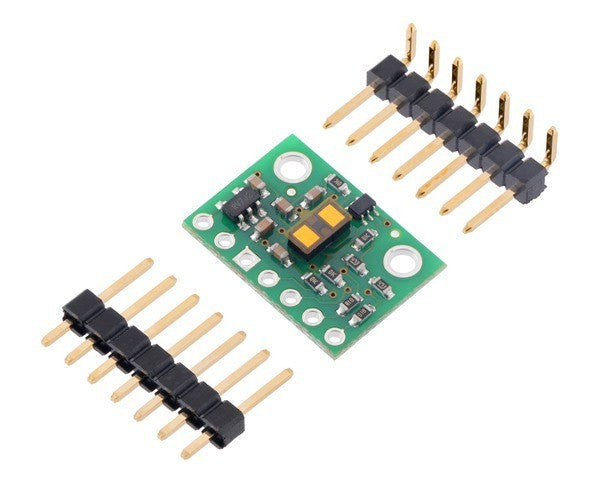
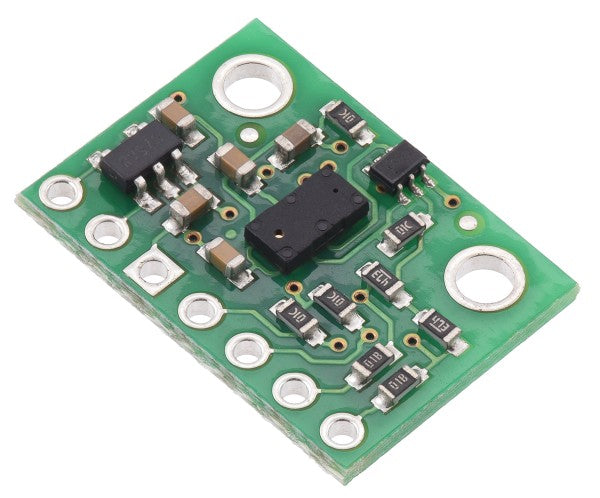
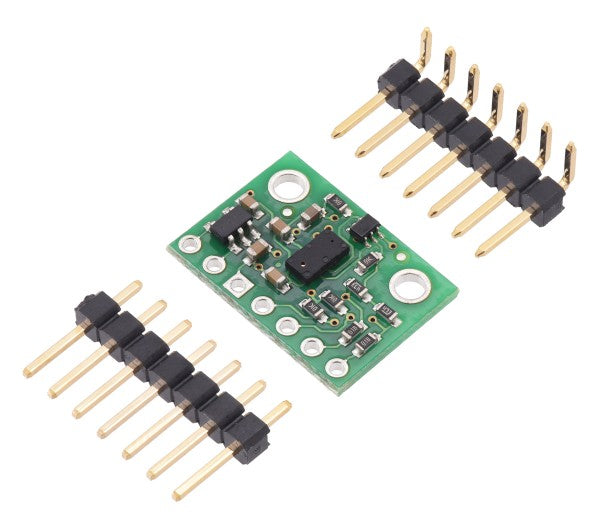
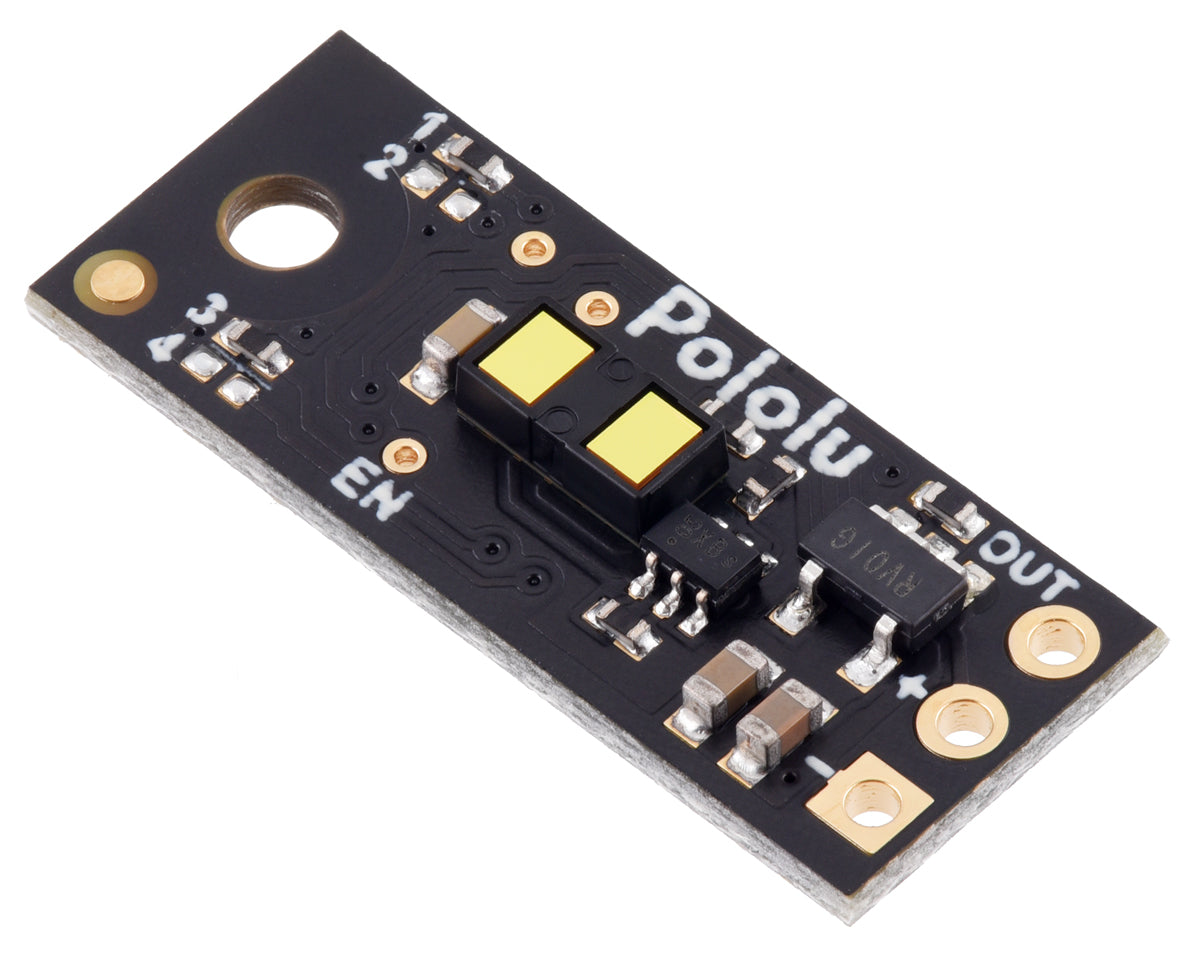
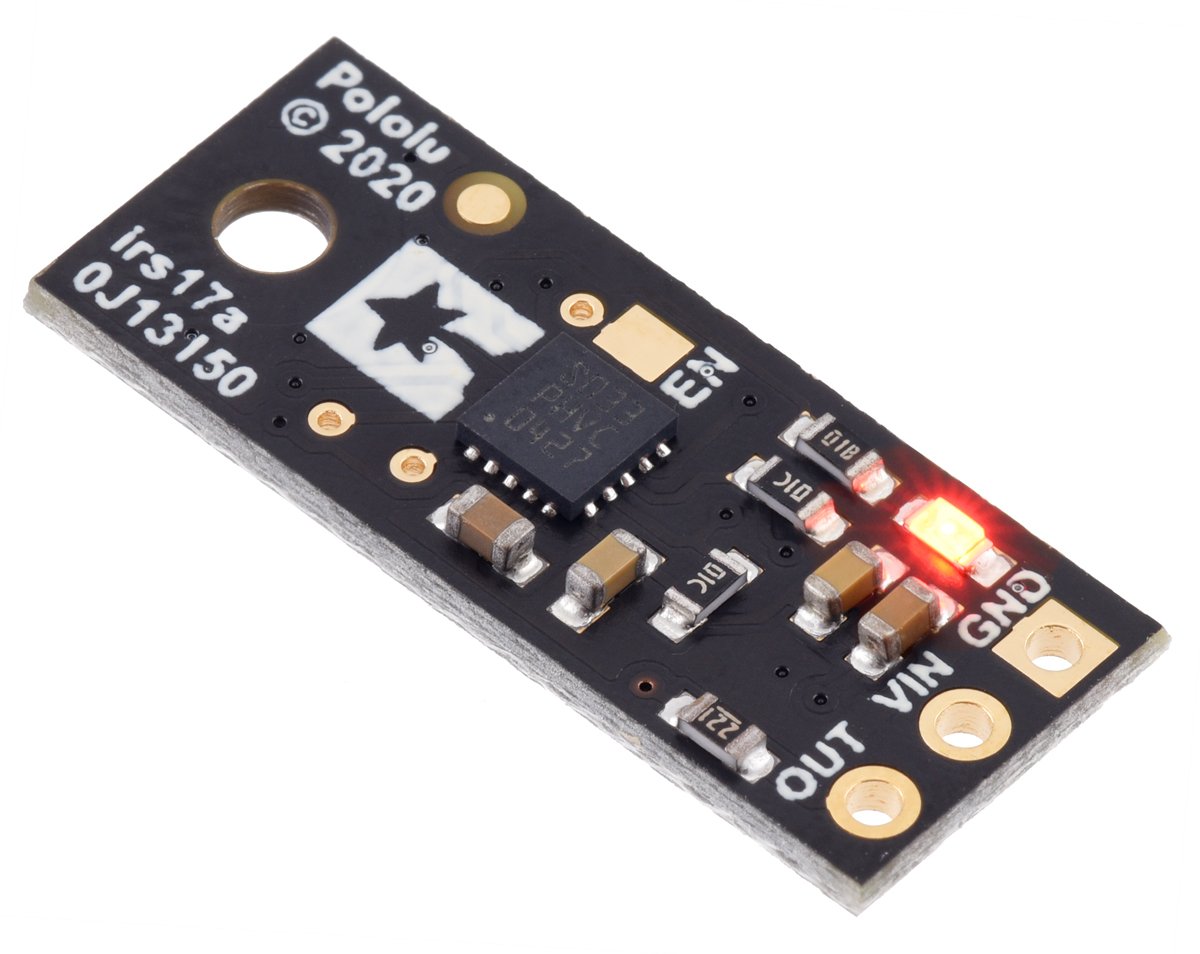
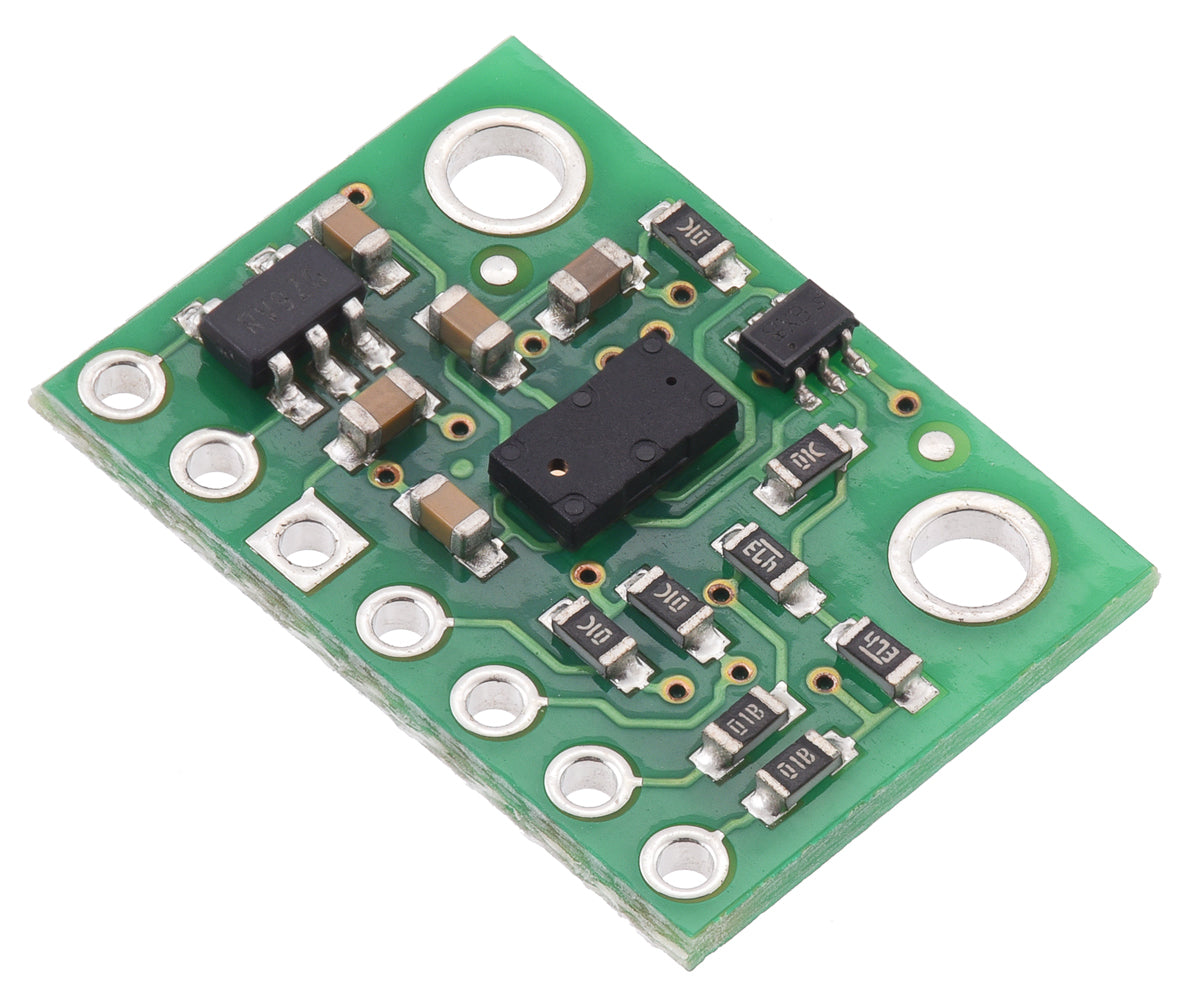
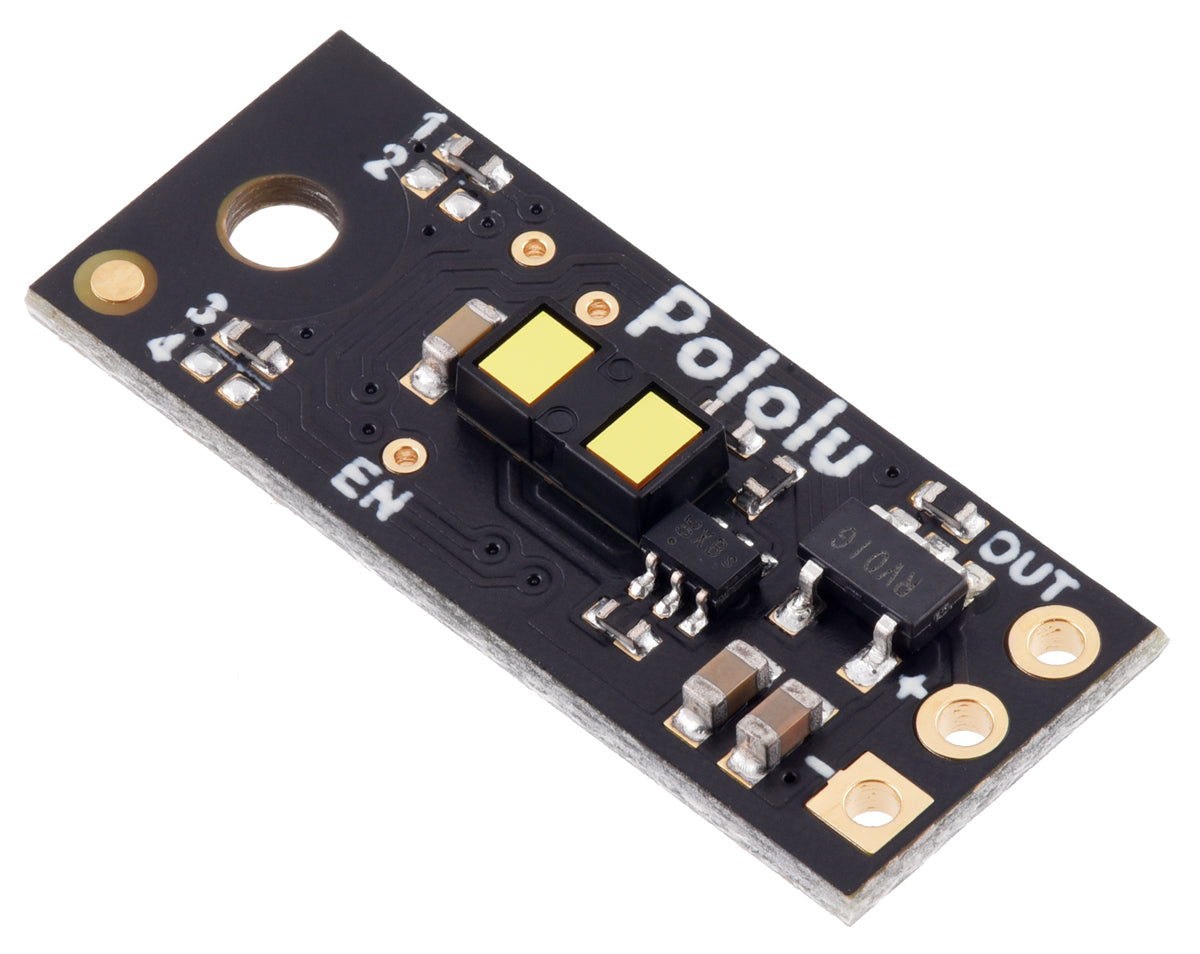
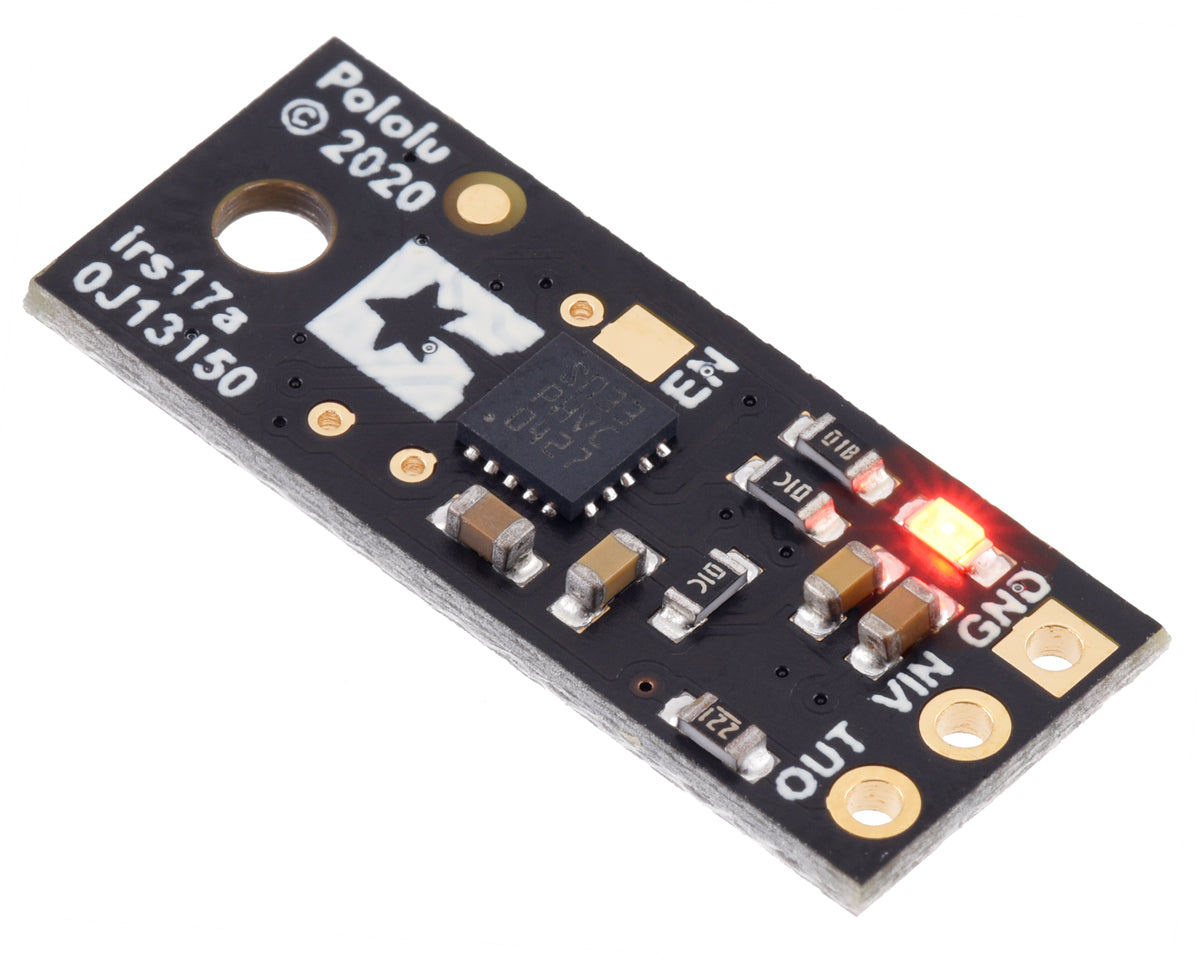
- ToF sensors
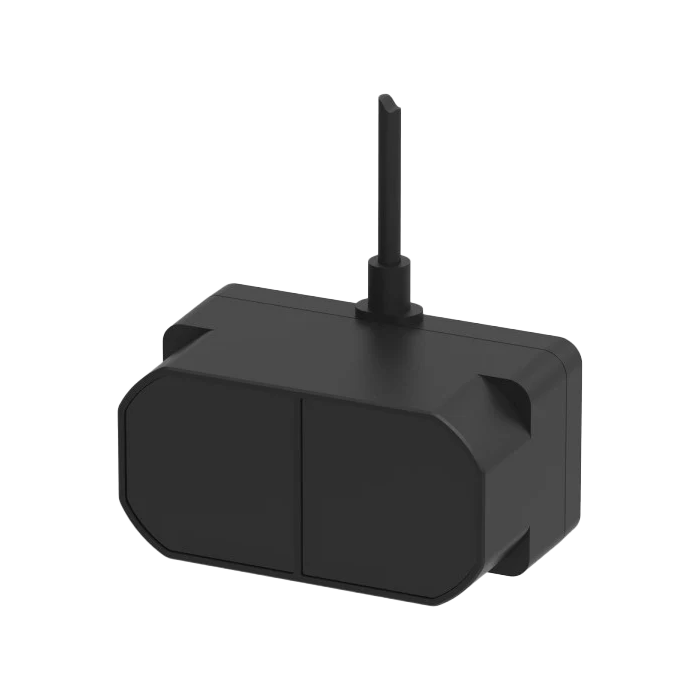
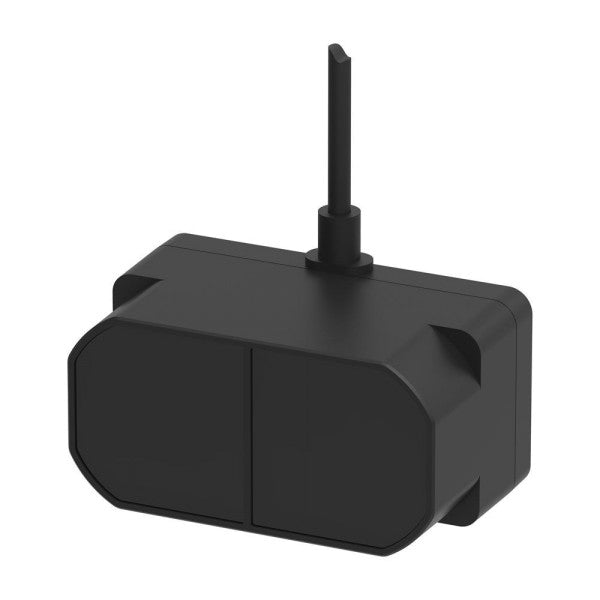
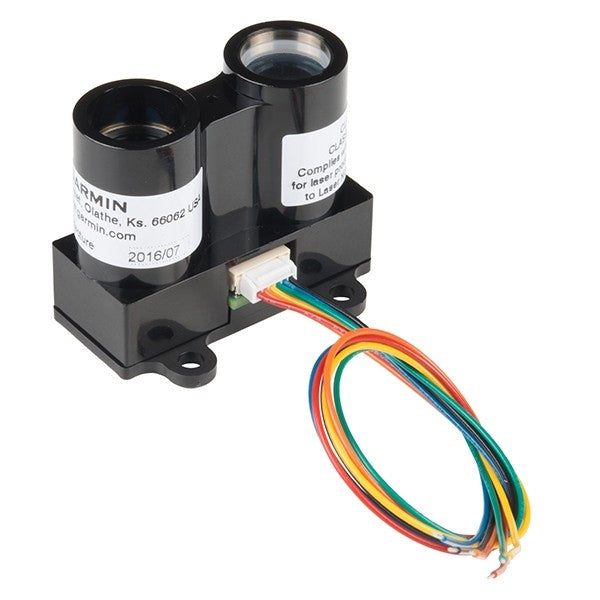
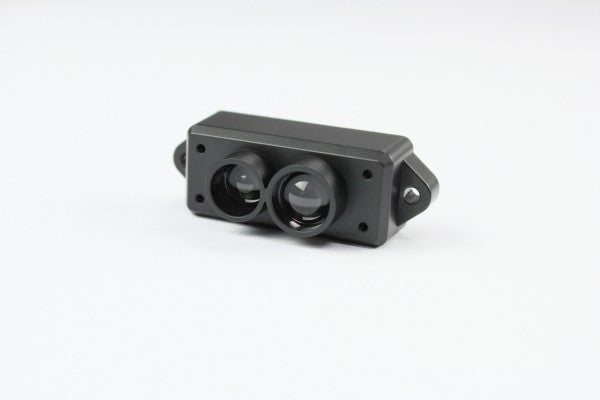
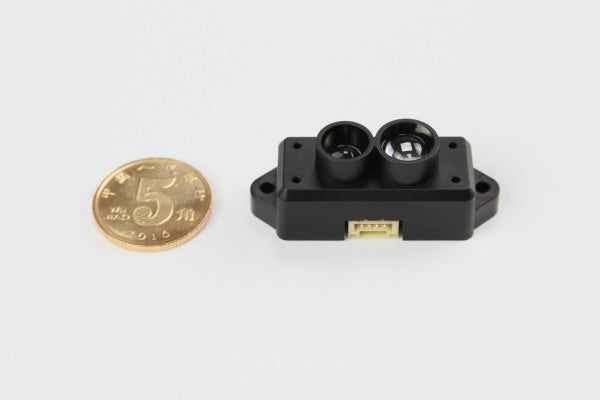
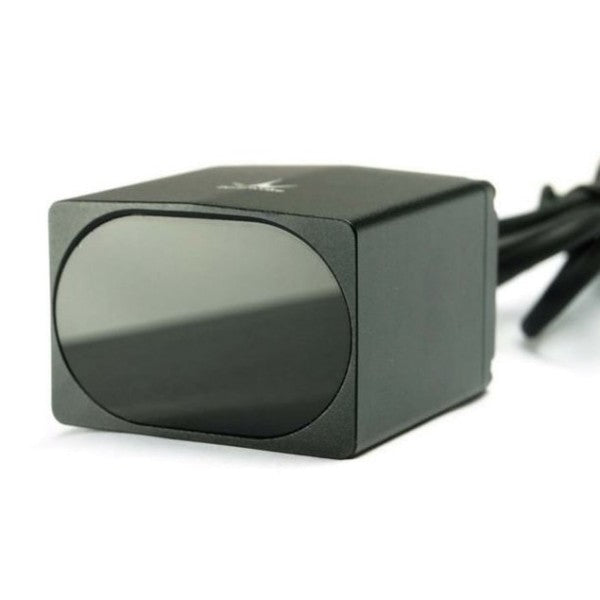
- LiDAR sensors
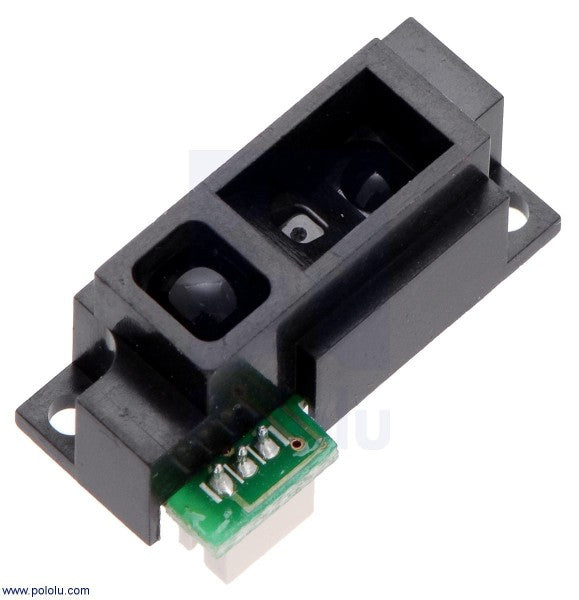
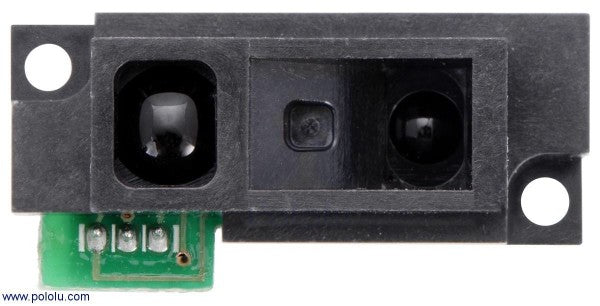
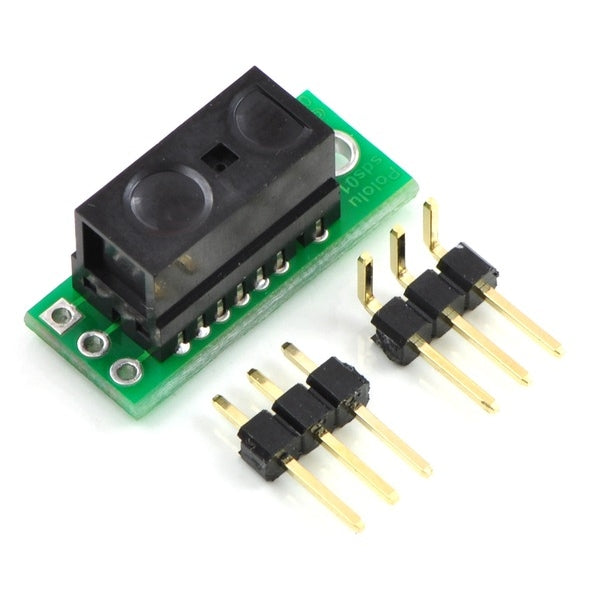
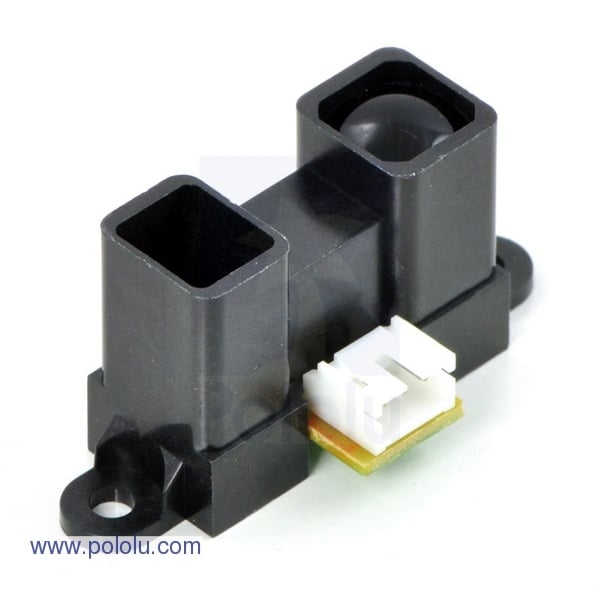
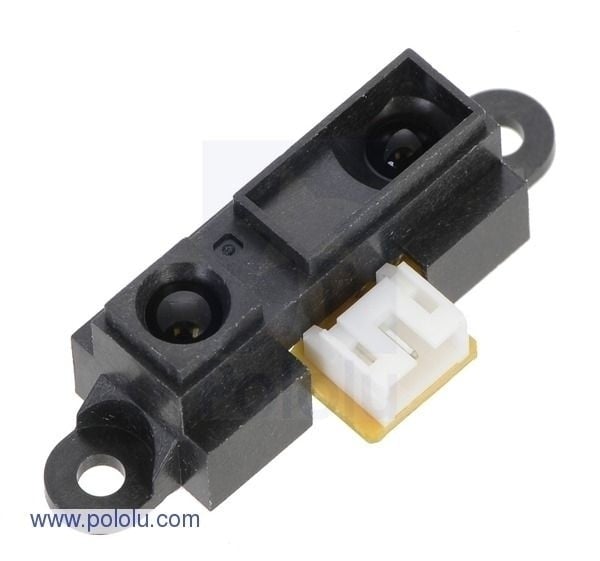
- Infrared sensors
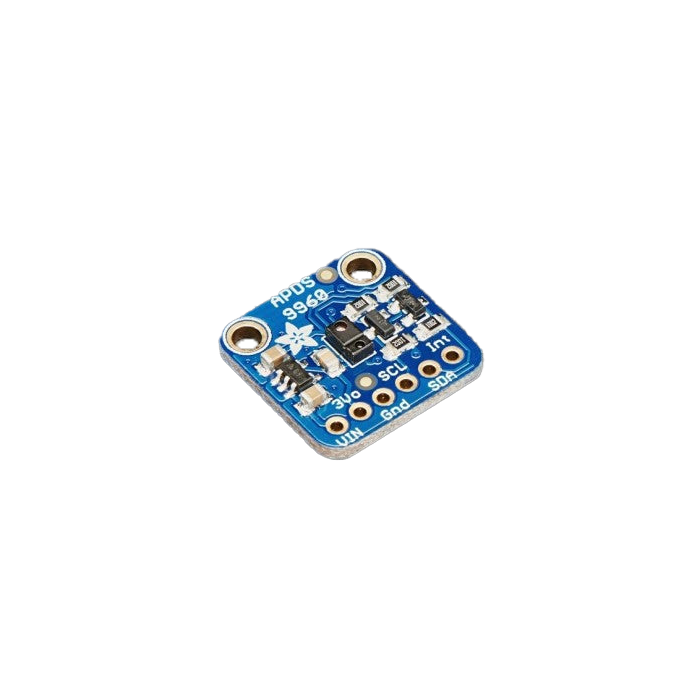
- Light sensors
In practice, optoelectronic sensors of all types are an integral part of comprehensive circuits. Pay attention to the circuit symbol for optical sensors in the corresponding circuit diagrams.
Buying optical sensors: LiDAR sensors and similar devices are suitable options
A major advantage of the optoelectronic measurement method is that it can be used to perform various tasks. In many cases, these sensors simply register the presence or absence of objects. This allows, for example, counts to be performed or automated machine processes to be controlled. Detailed measurements are also possible here: sensors detect objects not only as a whole, but also as individual components. Optical sensors are therefore suitable for quality control, among other things.
Optical sensors also provide valuable services in digital distance measurement. The distance between the sensor and the respective object can be calculated based on the transit time of the reflected light.
High-quality sensors such as ToF sensors and LiDAR sensors impress with their precise and detailed distance measurements: The result is high-resolution and reliable 3D measurements that are indispensable in areas such as robotics. Buy these and other optical sensors here in your specialist electronics shop!
Numerous areas of application for optical sensors: Examples
Optical sensors can be found in numerous technical environments. The spectrum ranges from smartphones and intelligent building control systems to industrial manufacturing facilities.
Manufacturers equip smartphones and other mobile devices with optical sensors such as ToF sensors. These sensors accurately detect objects in the environment and are a welcome addition to conventional smartphone cameras. Optical sensors and corresponding apps can be used to measure rooms, for example.
Optical sensors support security technology in intelligent building management. These sensors precisely detect the number of people entering and leaving a building or individual rooms. In conjunction with barriers, access can be controlled automatically.
Optical sensor and area of application: Navigation also deserves a mention in this context. Innovative solutions such as LiDAR sensors enable revolutionary innovations such as autonomous driving. The sensors detect all obstacles in the environment and calculate their distance in real time – a basic requirement for autonomous cars!
Last but not least: In industrial manufacturing, many automation processes are based on optical sensors. They serve a variety of purposes such as level control, automated initiation of machine processes, safety mechanisms and quality control.
Optical sensors: Advantages and disadvantages at a glance
Optical sensors offer a number of relevant advantages. The most important benefits are:
- Non-contact measurement: Unlike mechanical variants, measurements are contactless – there is no wear and tear!
- Long ranges: Optical sensors can perform measurements over enormous distances.
- Extensive detection ranges: These sensors can cover large areas, which is helpful for tasks such as people counting and navigation.
If you are considering using optical sensors, you should also consider the possible disadvantages. Lighting conditions, for example, can impair the functionality of these sensors. Reflective surfaces can also have a negative effect. However, this varies from model to model: find out more about the specific technical characteristics on the individual EXP Tech product pages!
Order the ideal optical sensor for your project
Have you decided on an optical sensor and know which basic type you want to buy? Then the final step is to purchase an optical sensor with the right technical features. Pay particular attention to the following aspects:
- Measuring accuracy
- Range and detection area
- Compatibility with Arduino and Co.
EXP Tech offers you a wide range of optical sensors from renowned manufacturers such as Pololu and Garmin. Equip yourself with the perfect optoelectronic solutions!