

Water quality sensor: Why reliable measurements are essential
When it comes to drinking water quality, the need for quality control is obvious. To prevent health problems among users, the government has implemented strict testing regulations. Municipal utilities, among others, must comply with these regulations. Operators of indoor and outdoor swimming pools must also continuously measure water quality to reduce the risks to their guests.
These measurements are also used for private and industrial wastewater. The aim here is to protect groundwater, rivers and lakes from ecologically harmful pollution. From drinking water to industrial wastewater: in all these areas, users rely on various sensors for water quality!
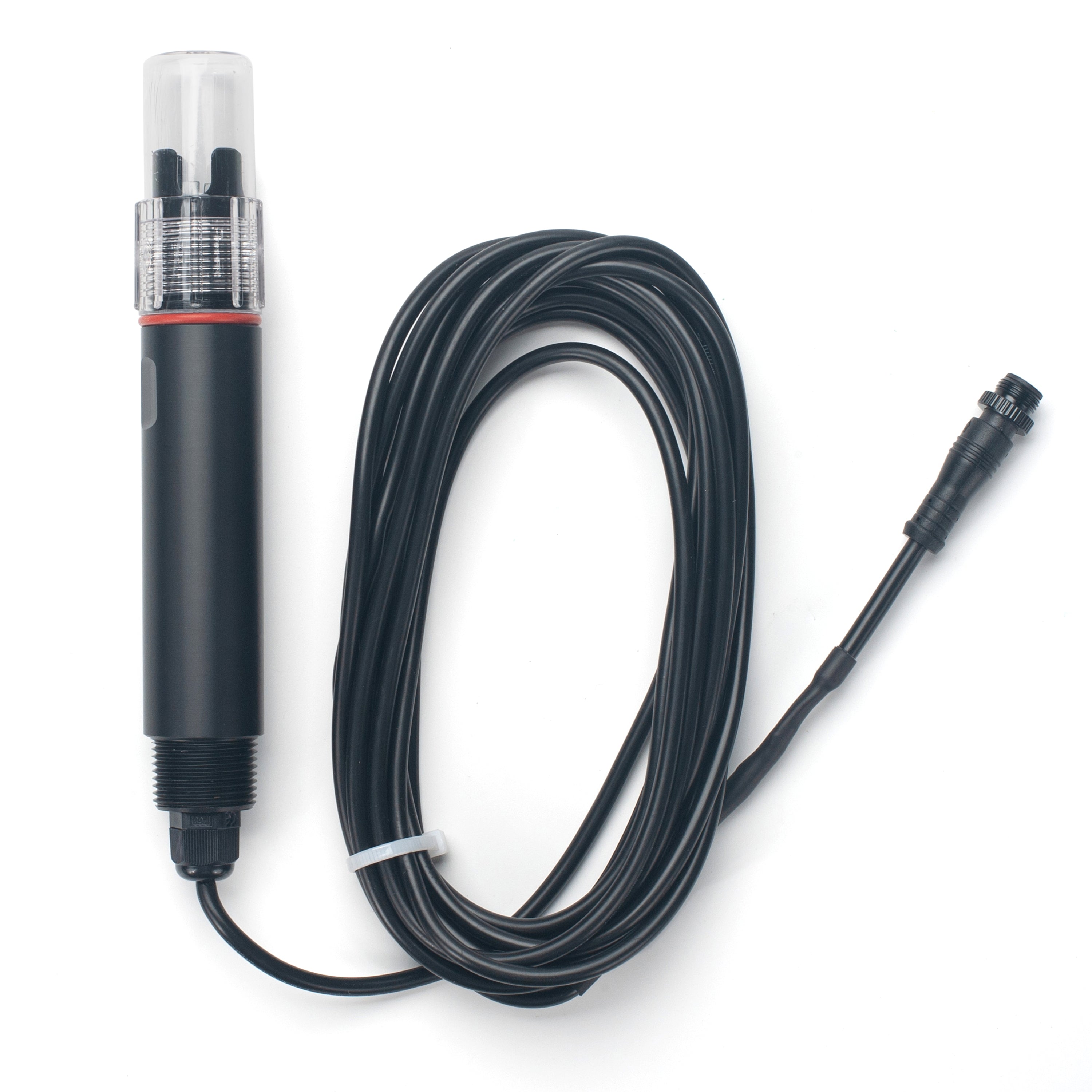
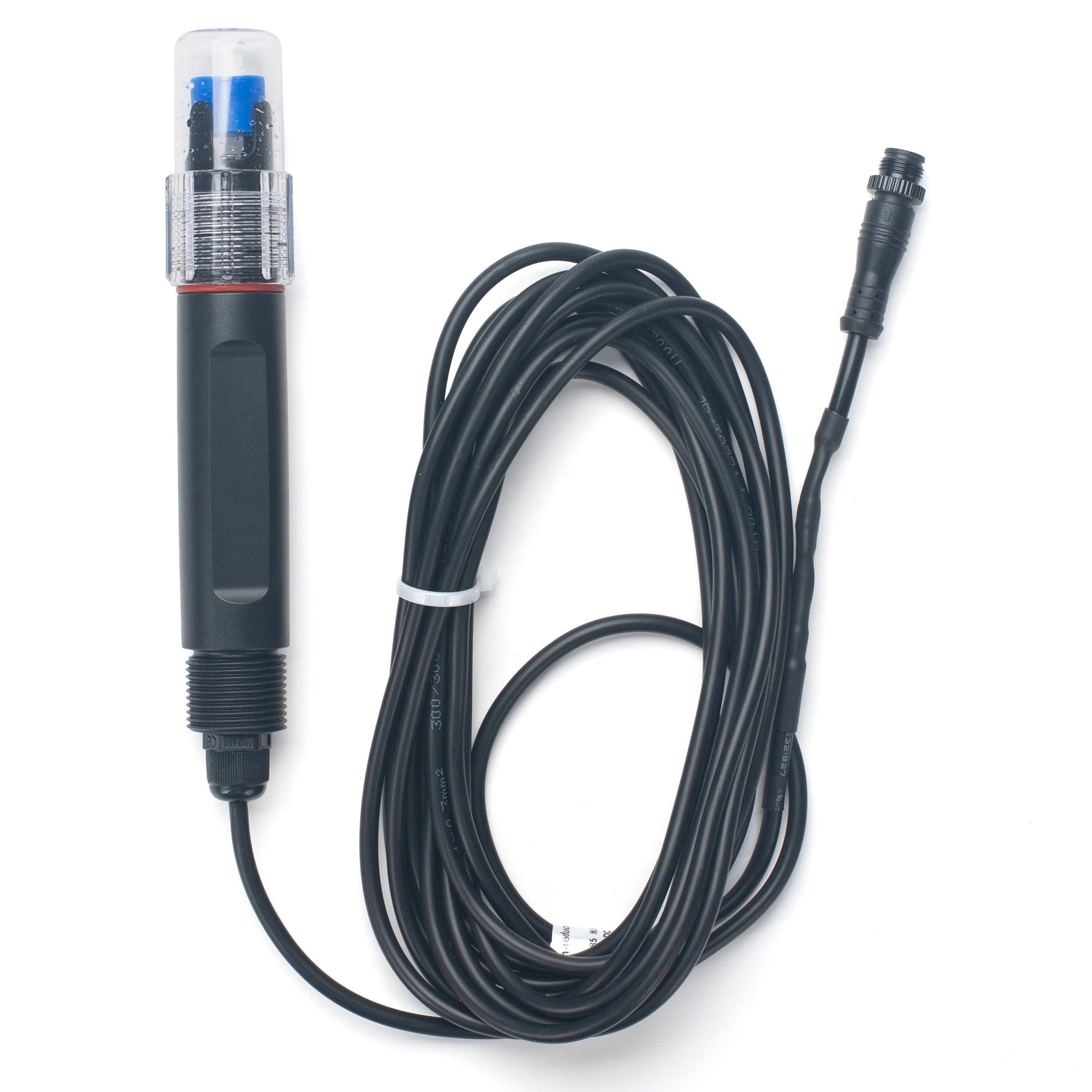
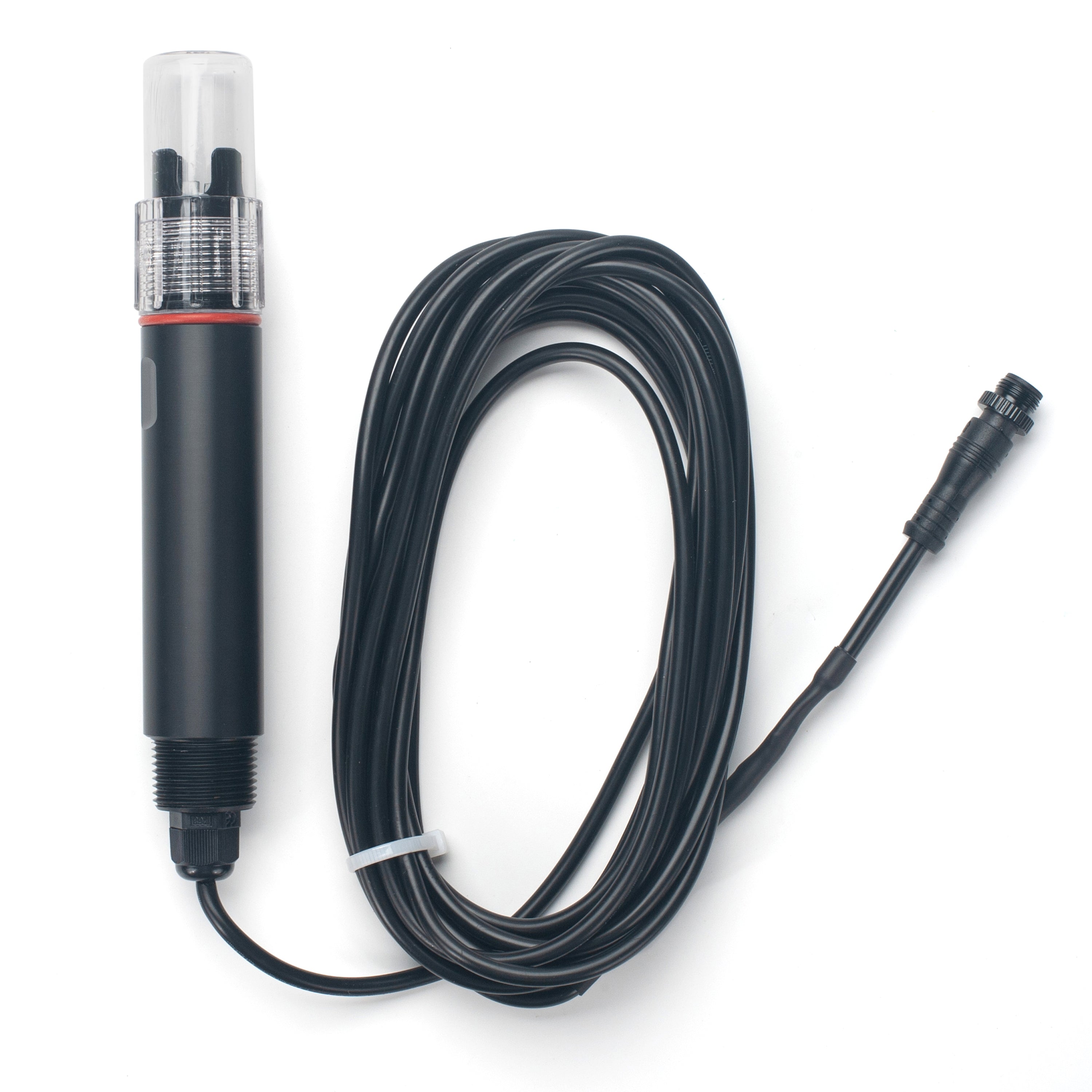
Various types of sensors provide valuable services in this regard:
- Sensor for pH value
- Turbidity sensor for wastewater and water
- Conductive conductivity sensor
- ORP sensor
Comprehensive water quality measurement: sensors at a glance
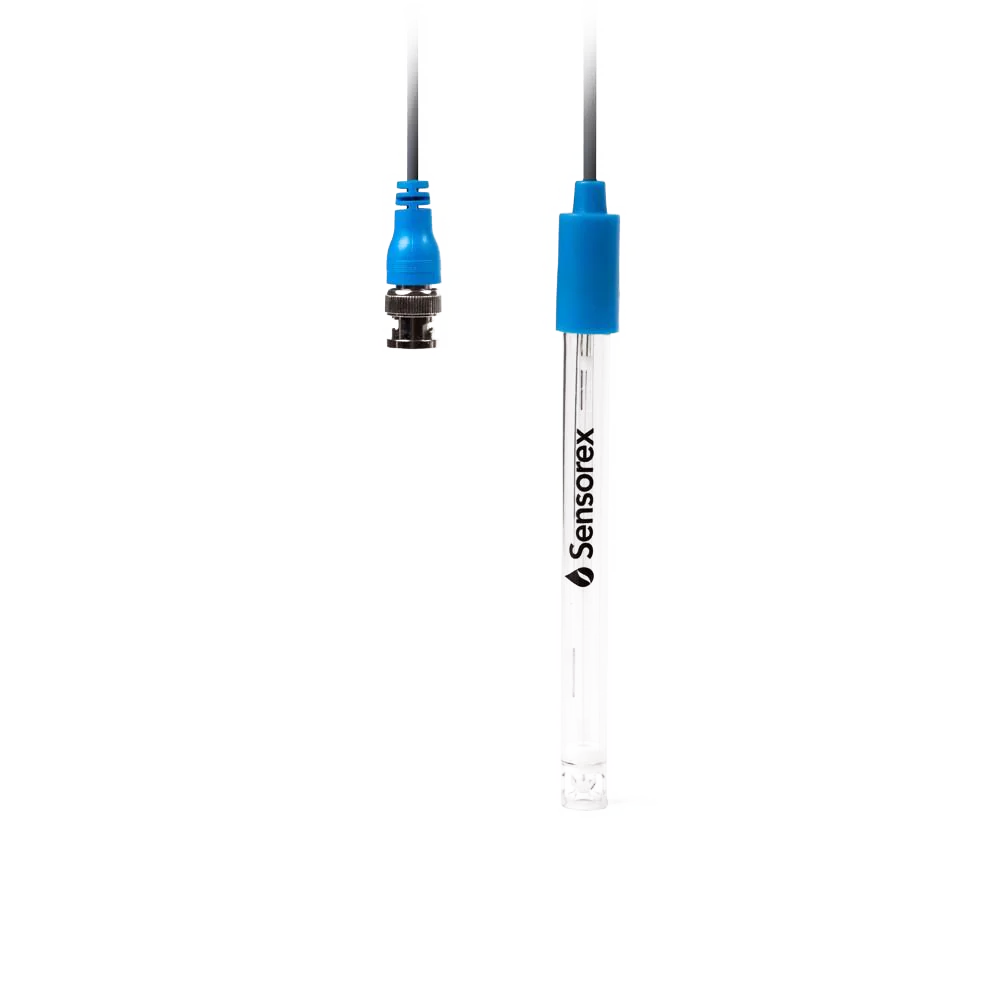
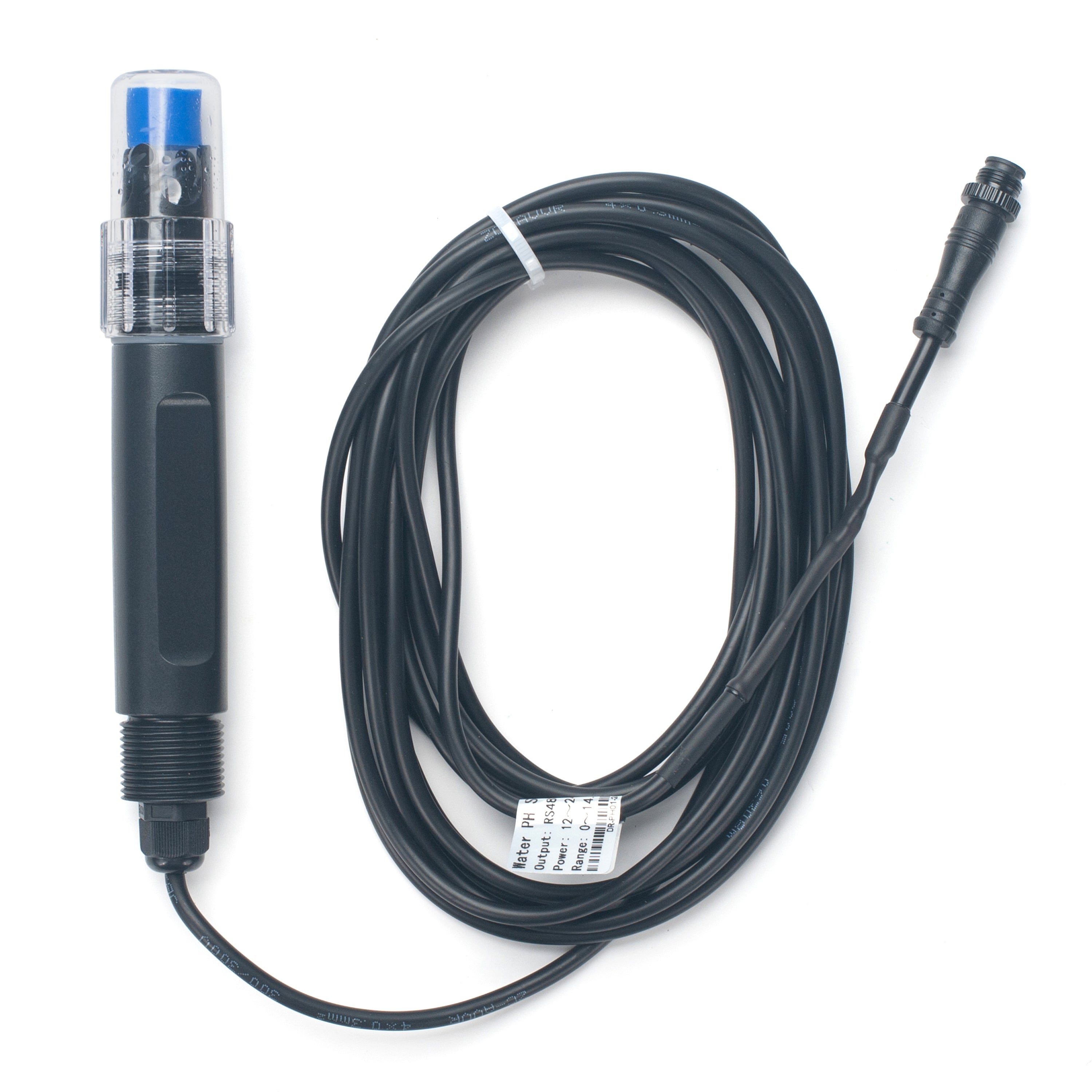
With a wide range of sensors for water quality, you can consistently monitor water and wastewater. The best-known water quality sensor is the pH sensor: it determines whether the pH value is within the acceptable range. For drinking water, this range is between 6.5 and 9.5.
Other sensors, such as the conductivity sensor and the turbidity sensor, indicate possible quality problems. Specifically, this means that these sensors measure certain values which, if exceeded, indicate various types of contamination.
The conductivity sensor measures the electrical conductivity of the water and is considered an indicator of ion concentration. Depending on the concentration, the liquid is either pure or contaminated.
The ORP sensor (oxidation-reduction potential sensor), another water quality sensor, is a complex component that measures the electrical potential of the water. A high ORP value indicates a higher oxidation capacity – an indication of satisfactory water quality!
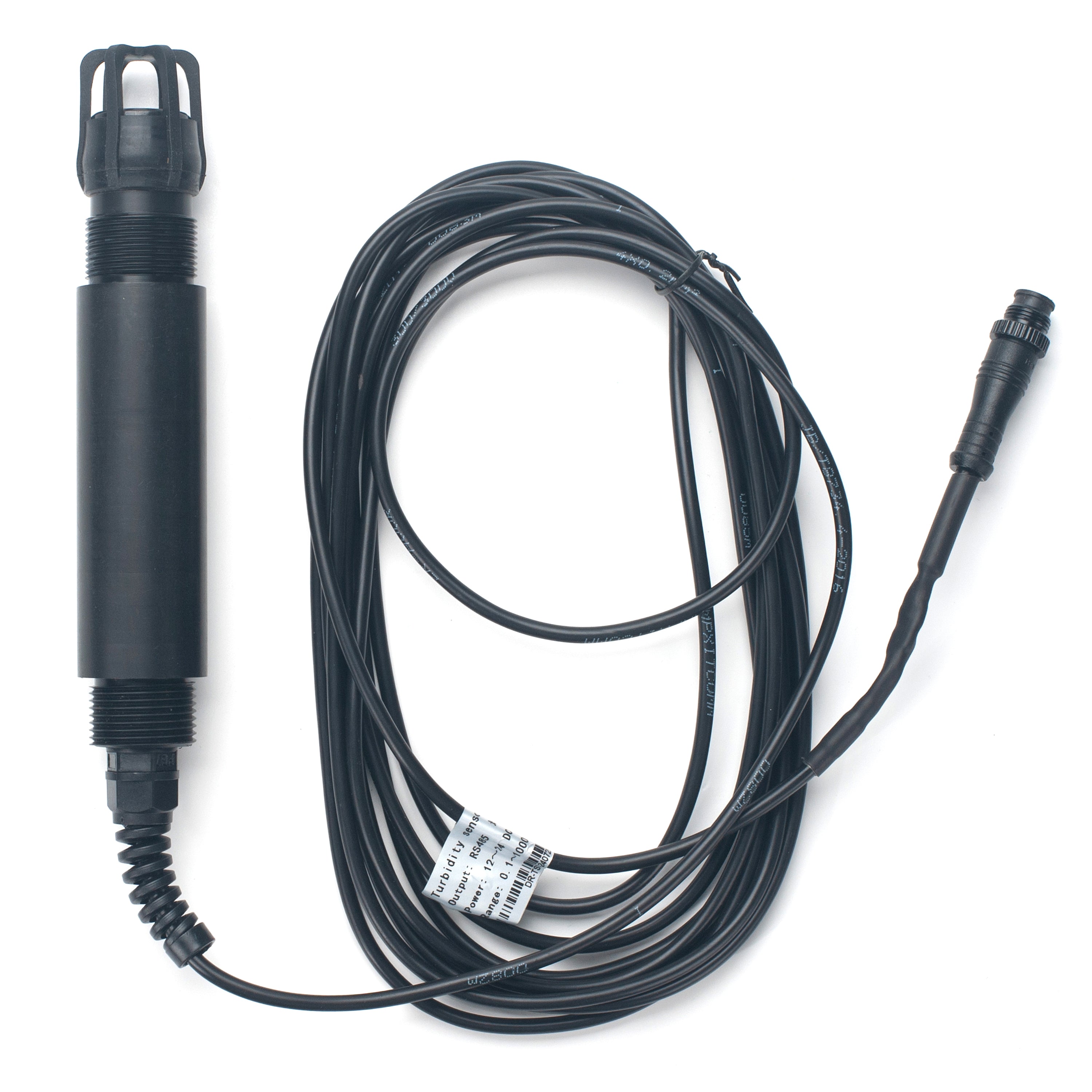
Last but not least, the turbidity sensor complements this set of instruments with its mode of operation.
As the name suggests, this sensor measures the turbidity of water and wastewater. The turbidity sensor emits a beam of light, and a detector is used to measure the degree of scattering and thus the degree of turbidity. This allows you to detect undissolved particles and microbiological contaminants.
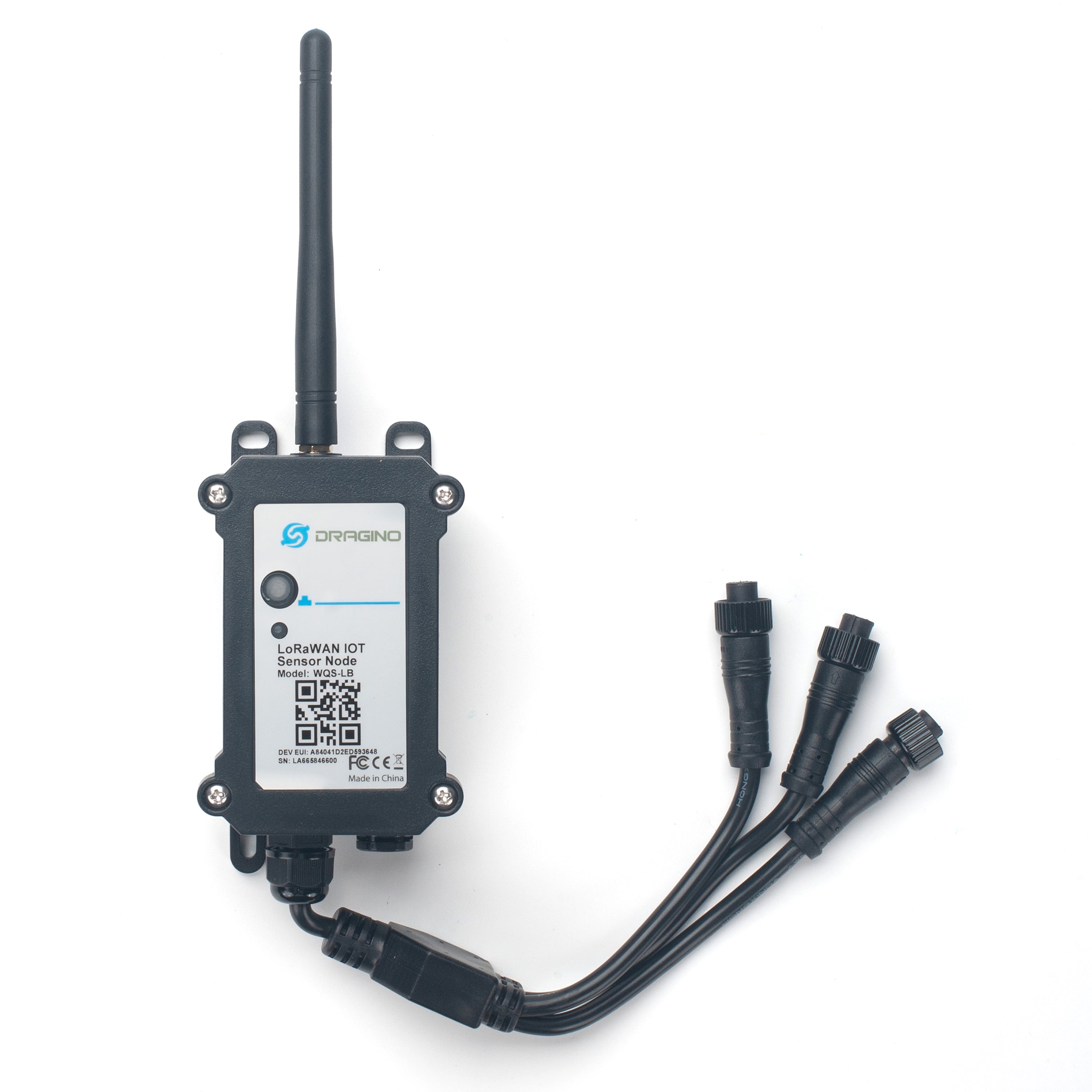
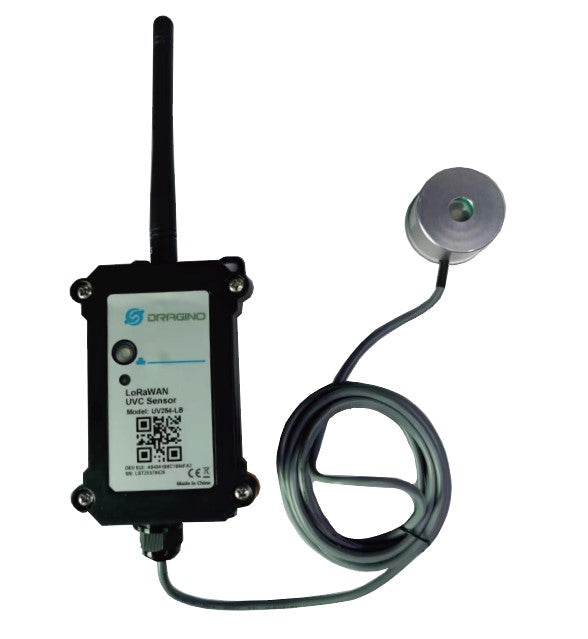
Sensors with LoRaWAN: Wireless transmission is practical!
Most monitoring processes require continuous monitoring. In addition, the objects are often located in outdoor areas, which makes real-time monitoring even more challenging. The wireless transmission of measurement data is therefore essential – order modules with LoRaWAN here!
LoRaWAN offers several impressive advantages:
- Long-range transmission
- Low power consumption
- Maintenance-free modules without battery replacement
Manufacturers such as Dragino offer practical LoRaWAN units that you can flexibly equip with the appropriate probes, such as an ORP probe.
Conveniently order water quality sensors online
Here at EXP Tech, you can equip yourself with sensors to ensure water quality. For example, purchase a conductivity sensor and a turbidity sensor. The interaction of these sensors enables you to achieve seamless real-time monitoring – in environmental monitoring as well as in the monitoring of industrial processes!