
Two systems: WSC2-L or WSC2-Compact-LS?
The Dragino weather stations are available as two separate systems. Each has its own transmitter and its own sensor family, but some sensors fit both. So choose the system first and then the matching sensors.
| WSC2-L | WSC2-Compact-LS | |
|---|---|---|
| Suitable for | Extensive professional weather station with freely combinable sensors | Quick, self-sufficient installation with a few measured variables |
| Power supply | 12 V DC, to be purchased separately: power adapter where mains power is available, otherwise solar supply (solar panel, MPPT charge controller, backup battery) | Solar panel and battery integrated |
| Sensors | WSS series (7 sensors) DR-RG-6P | DR series (3 sensors), optionally WSS-22, WSS-26, WSS-27 (firmware 1.0.6 or later) |
| Measured variables | Wind, temperature, humidity, air pressure, light, precipitation, rain and snow detection, CO2, particulate matter, sound level, global radiation, PAR | Temperature, humidity, air pressure, light, precipitation, optionally wind, global radiation, PAR |
| Cellular versions | WSC2-N-GE, WSC2-C-GE | WSC2-Compact-NS-GE, WSC2-Compact-CS-GE |
Important: DR-THP-6P and DR-IL-6P only work with the WSC2-Compact series. The DR-RG-6P rain gauge works with both systems. Conversely, the WSS sensors for wind, global radiation and PAR (WSS-22, WSS-26, WSS-27) also fit the WSC2-Compact-LS from firmware 1.0.6, for which you need the DR-F6C-4 adapter cable. All other WSS sensors only work with the WSC2 series.
WSC2-L: the professional weather station to combine
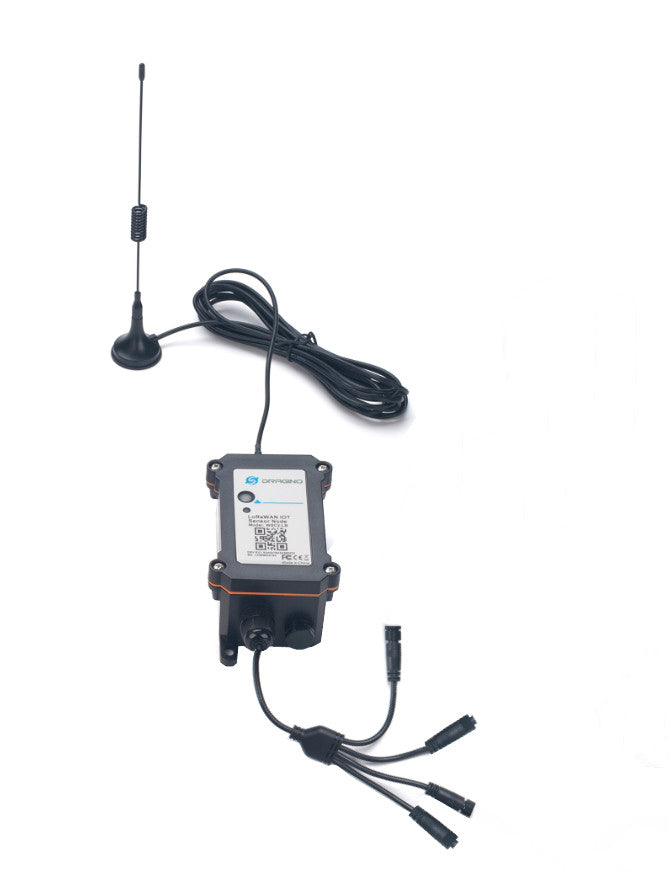
The WSC2-L is the transmitter for extensive measuring stations. You combine the WSS sensors freely and build your professional weather station step by step. A weather station with rain gauge, wind sensor and radiation measurement is just as possible as a measuring point for air quality. The WSC2-L is powered with 12 V DC: at sites with mains power via a power adapter, in the field via a solar supply consisting of solar panel, MPPT charge controller and backup battery. You purchase these components separately. For more than three RS485 sensors, you also need the DR-F6C-4M 1-to-4 splitter cable.
These sensors fit the WSC2-L:
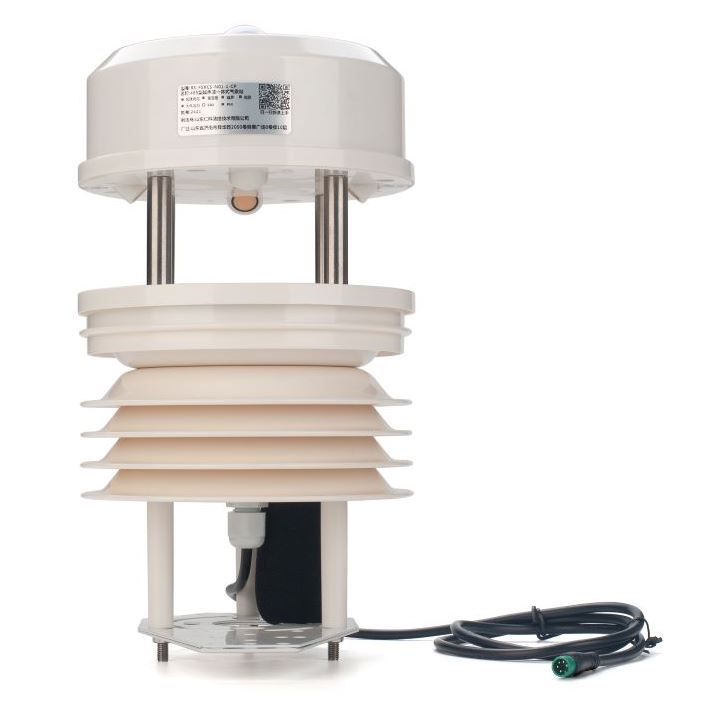
- WSS-09: 9-in-1 weather sensor with ultrasonic wind measurement, temperature, humidity, air pressure, light, PM2.5, PM10 and sound level
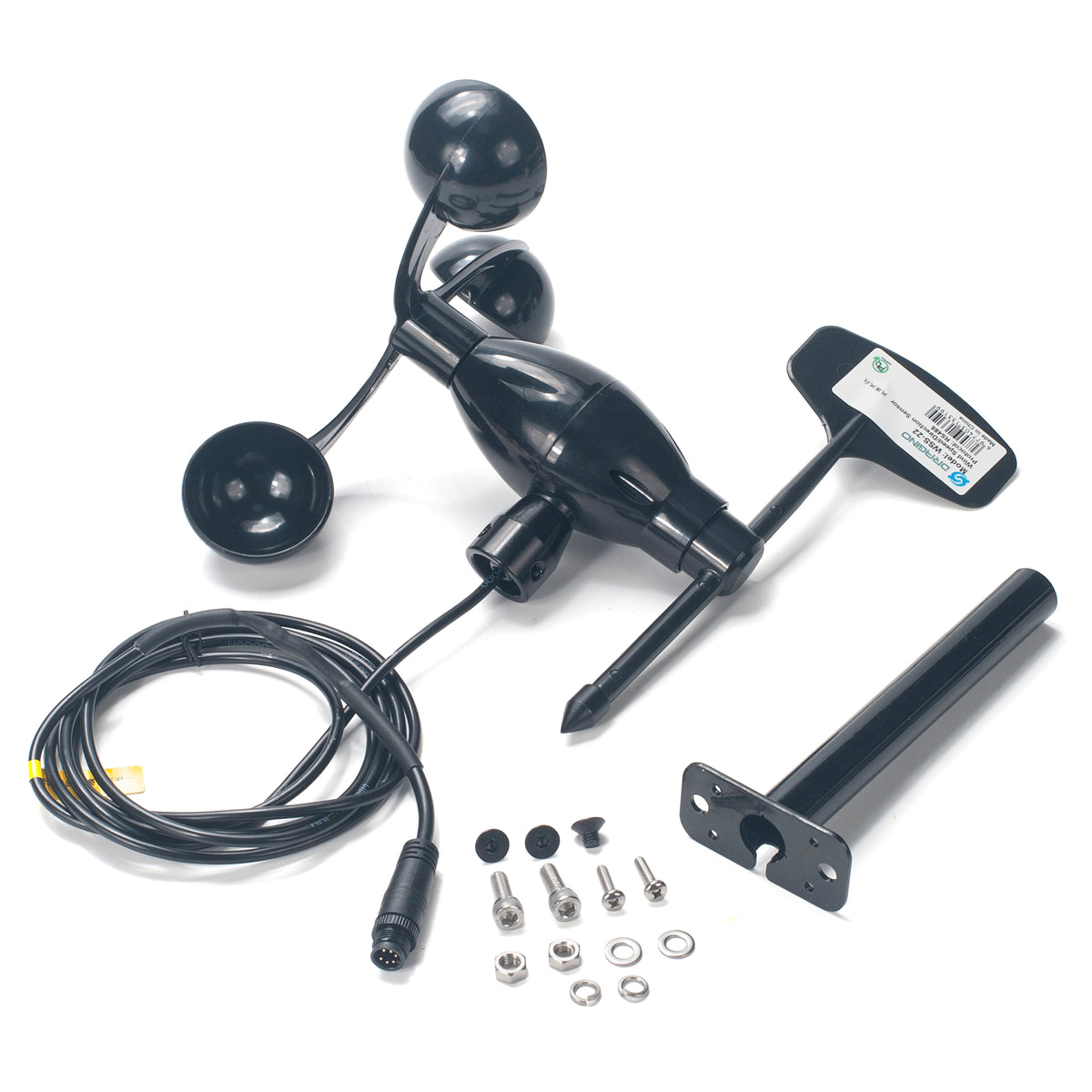
- WSS-22: wind speed and wind direction
- WSS-23: particulate matter sensor for PM2.5 and PM10, plus CO2
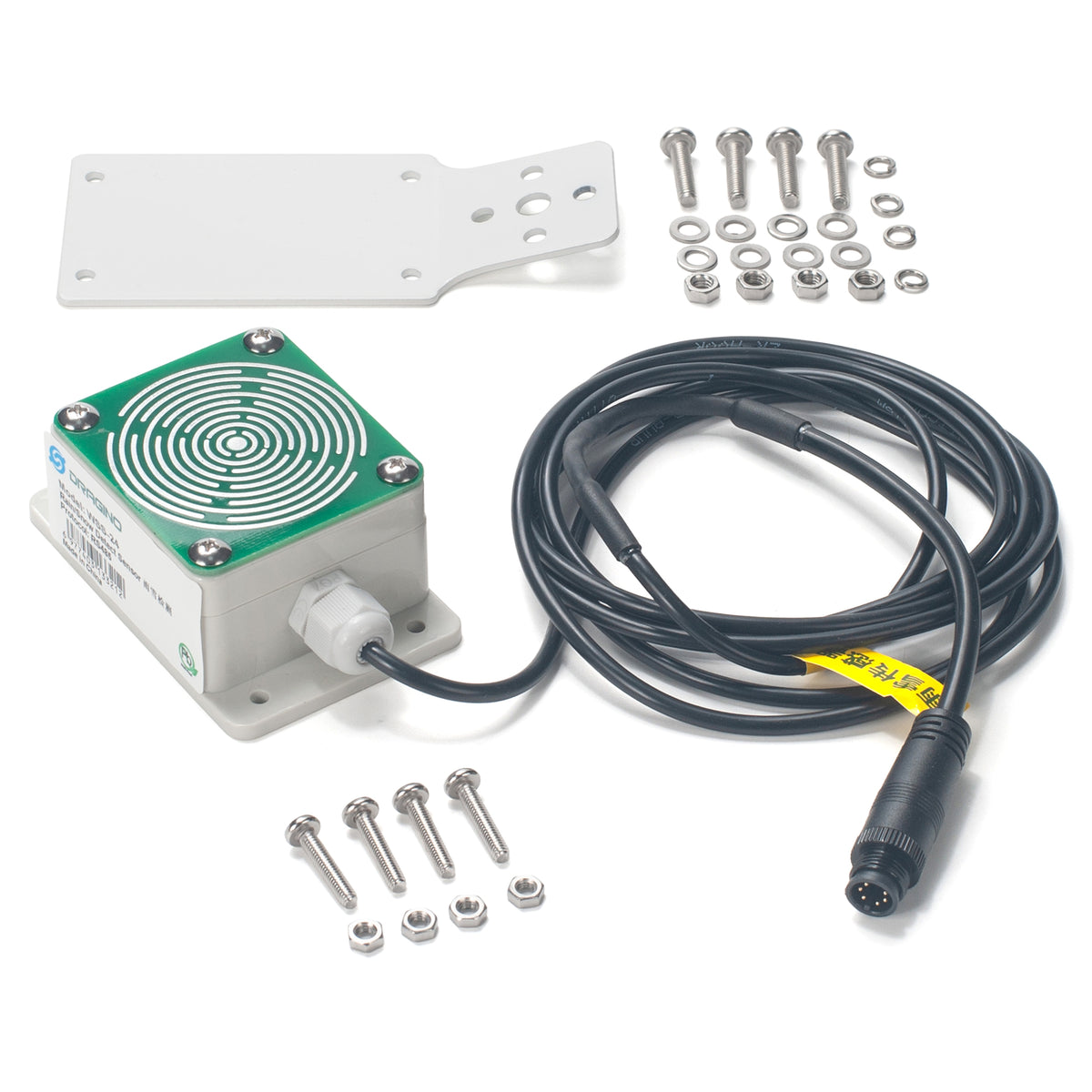
- WSS-24: rain and snow detection with heating
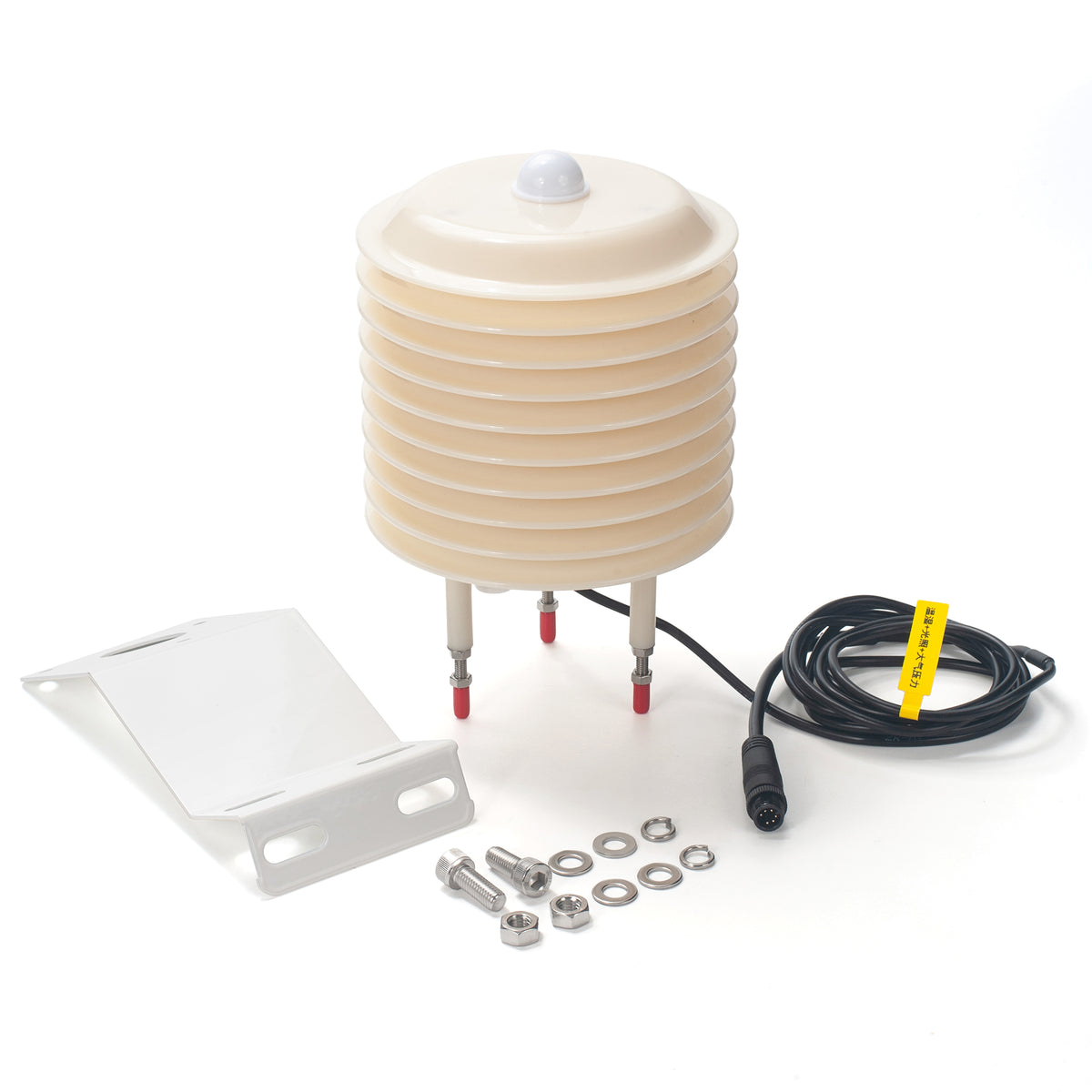
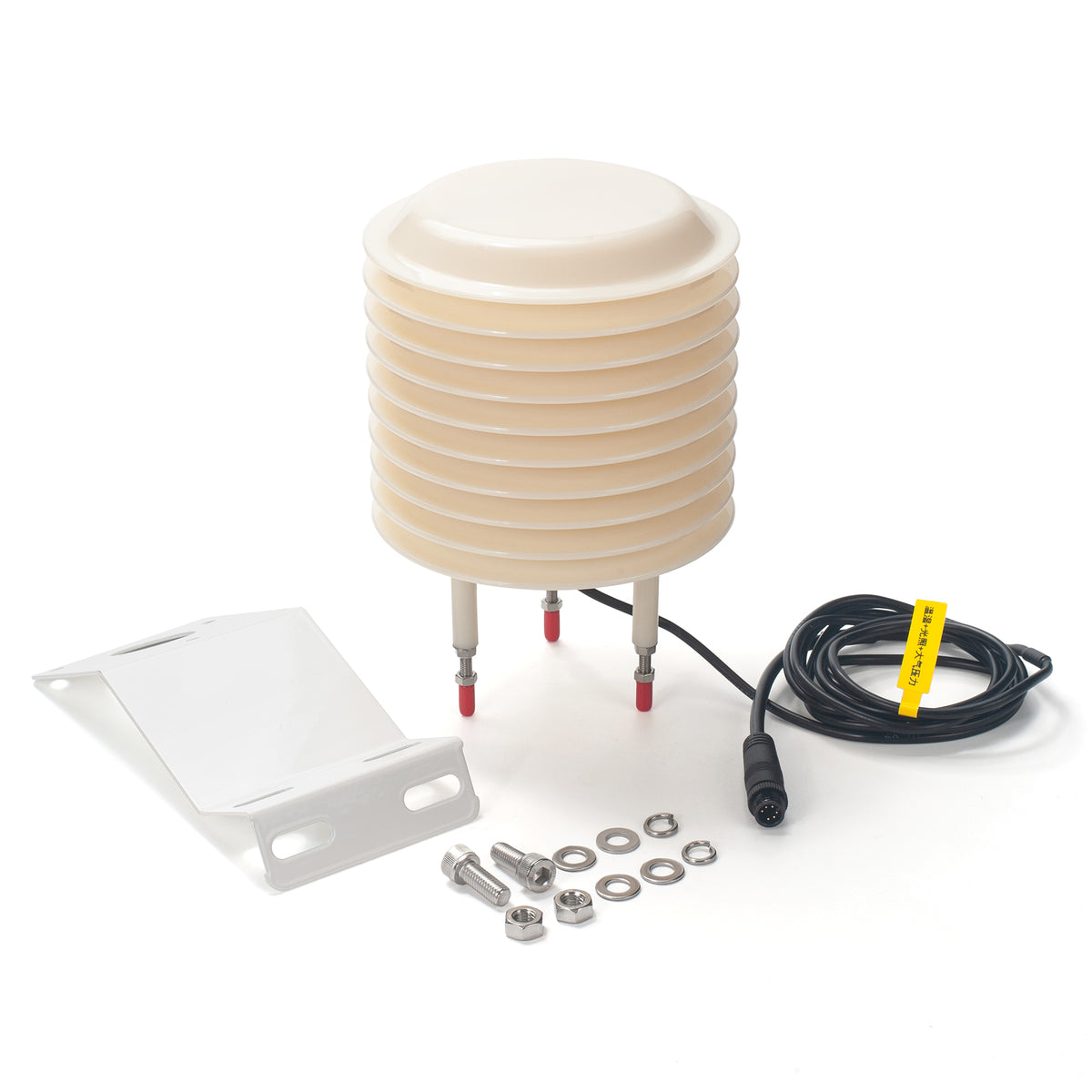
- WSS-25: temperature, humidity, light and air pressure
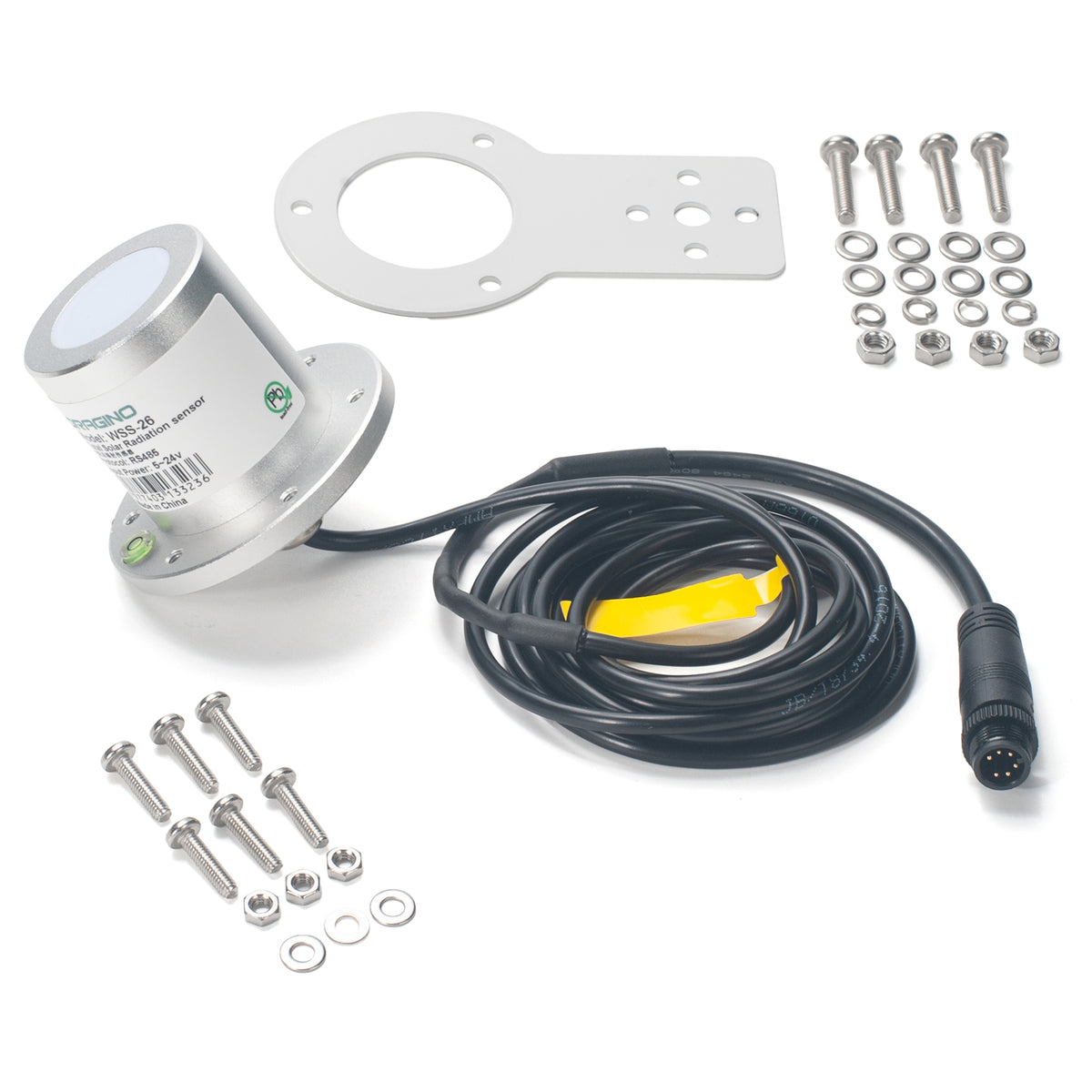
- WSS-26: global radiation sensor (pyranometer) for total solar radiation
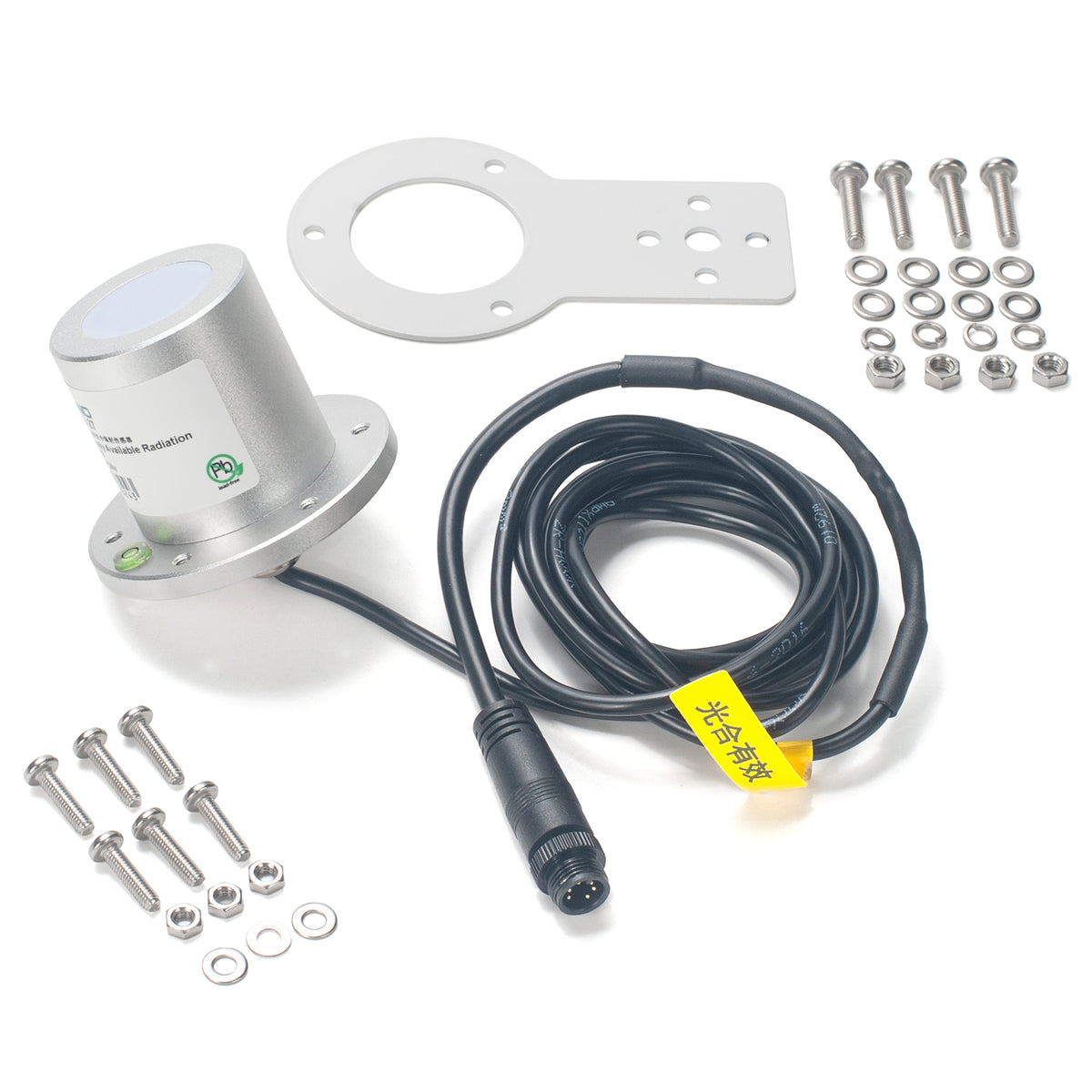
- WSS-27: PAR sensor for photosynthetically active radiation
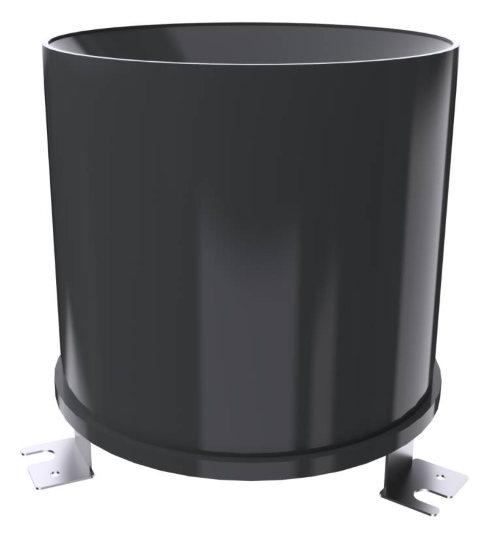
- DR-RG-6P: tipping bucket rain gauge, connected to the pulse input of the WSC2-L
WSC2-Compact-LS: the self-sufficient compact solution
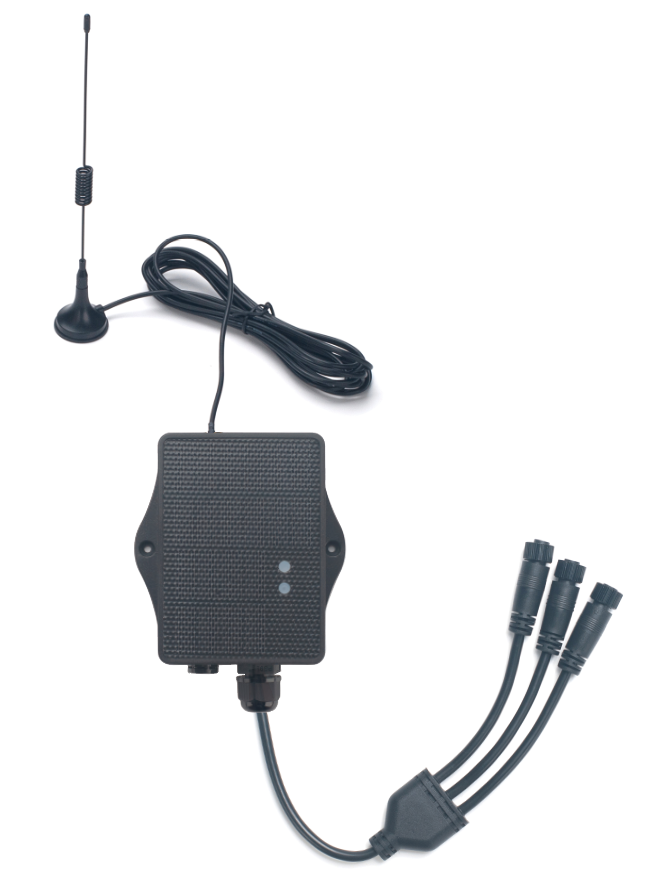
The WSC2-Compact-LS already has a solar panel and battery built in (IP66, 3000 mAh battery). With the standard sensors, you do not need an external power supply. This makes the Compact the right choice if you want to set up a solar-powered weather station quickly and only need the most important measured variables.
These sensors fit the WSC2-Compact-LS:
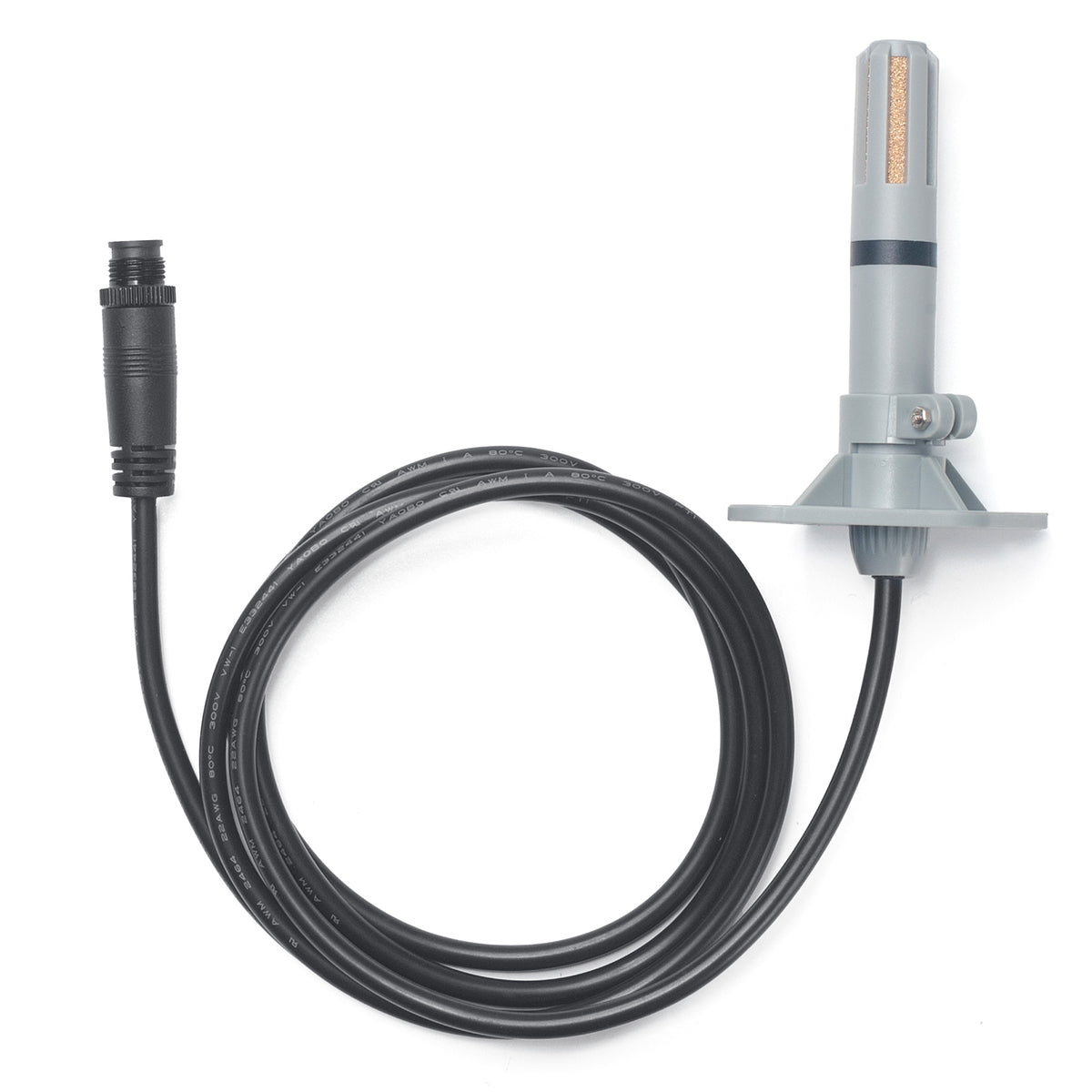
- DR-THP-6P: temperature, humidity and air pressure
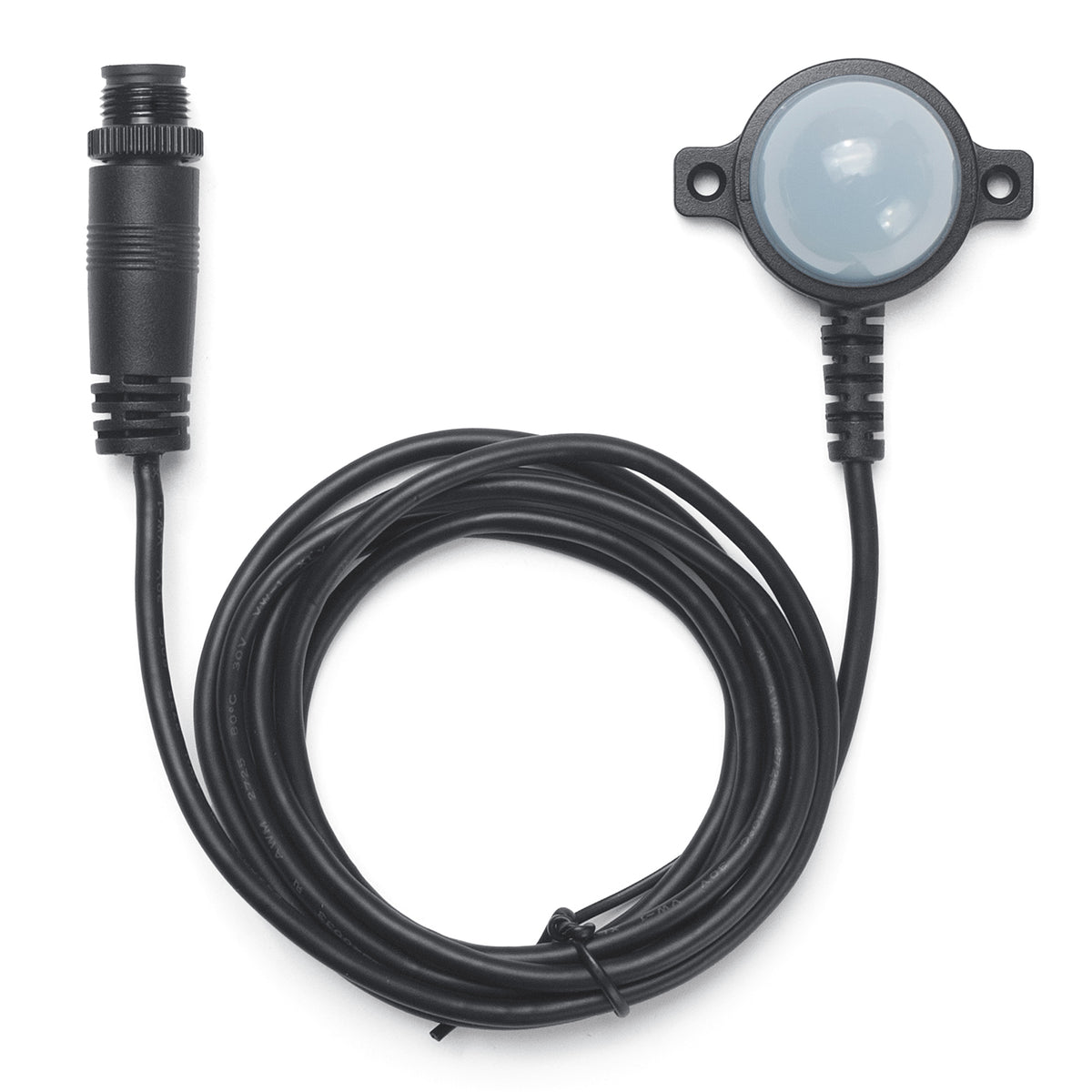
- DR-IL-6P: light
- DR-RG-6P: tipping bucket rain gauge
- WSS-22, WSS-26 and WSS-27: wind, global radiation and PAR, from firmware 1.0.6 via the DR-F6C-4 adapter cable
No LoRaWAN at your site? The cellular versions
If no LoRaWAN gateway is available at your site, both systems are also available with cellular connectivity. The sensors stay the same, only the transmitter is different. The cellular transmitters are supplied without a SIM card. You need an NB-IoT or LTE-M capable nano SIM card and should check the network coverage at your site beforehand.
- WSC2 series: WSC2-N-GE (NB-IoT) and WSC2-C-GE (NB-IoT and LTE-M)
- WSC2-Compact series: WSC2-Compact-NS-GE (NB-IoT) and WSC2-Compact-CS-GE (NB-IoT and LTE-M)
Typical applications
Agriculture and agrometeorology
A weather station for agriculture provides local data for irrigation, sowing and harvest planning. With the WSS-27 PAR sensor, you can also measure the light that plants use for photosynthesis. The data is captured wirelessly, even across large areas without mains power.
Smart city and environmental monitoring
Municipalities and operators monitor precipitation, wind, particulate matter and sound level at short, freely adjustable intervals, for example for precipitation monitoring or environmental monitoring networks.
Research and building technology
The sensors continuously deliver weather data, whether for measurement campaigns, monitoring roofs and façades or building automation. With the WSS-26 global radiation sensor (pyranometer), for example, you can record global radiation for photovoltaic analyses.