
How does a magnetic sensor work?
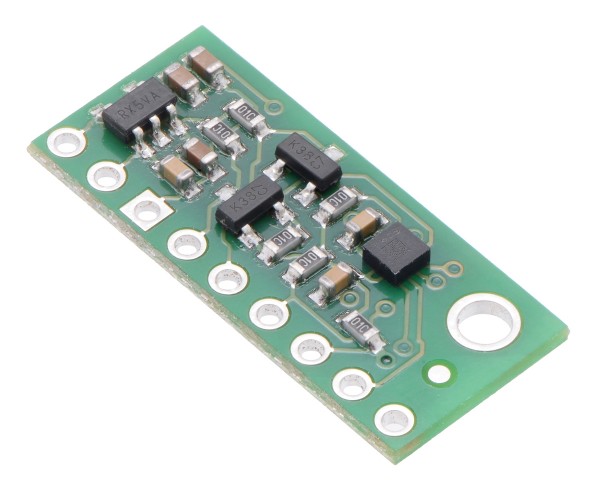
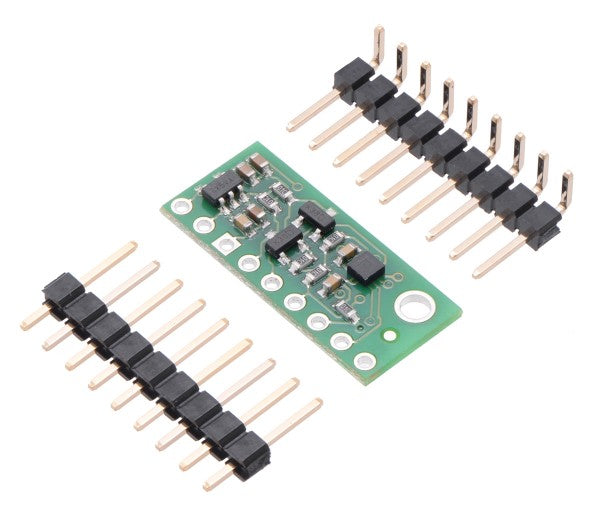
The basic function of a magnetic sensor is to measure magnetic flux densities – the relevant unit of measurement is Tesla. The type of magnetic field and thus the measurement target differ. Examples are:
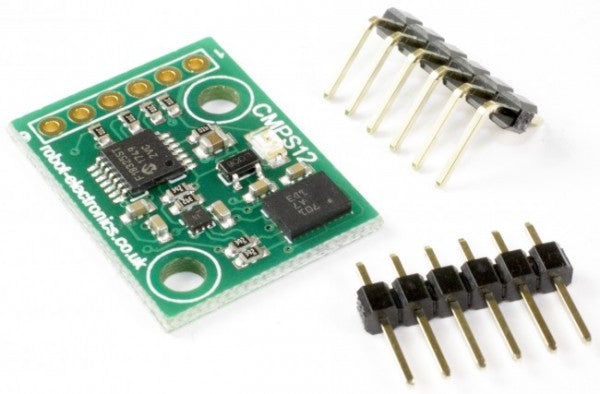
- In geomagnetic sensors, the measurement refers to the Earth's magnetic field. These magnetic sensors are indispensable in compasses.
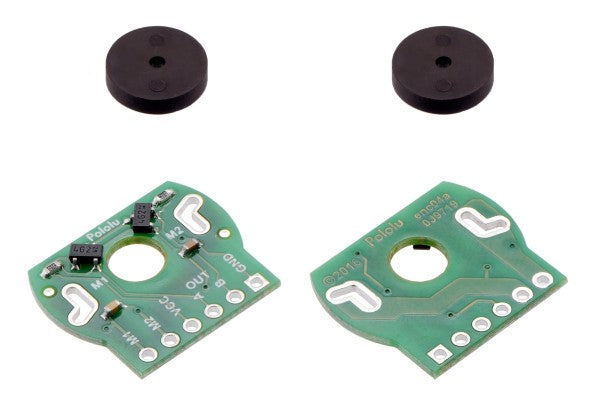
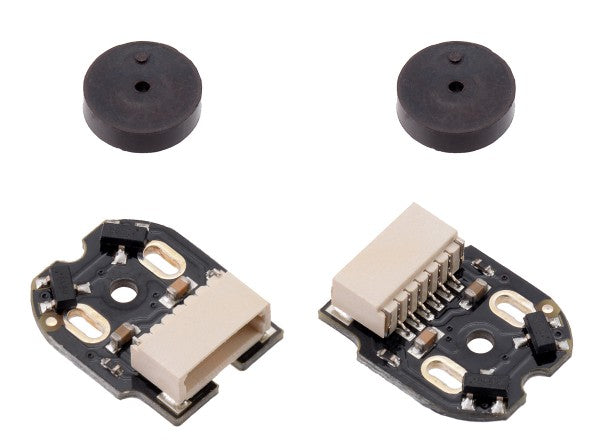
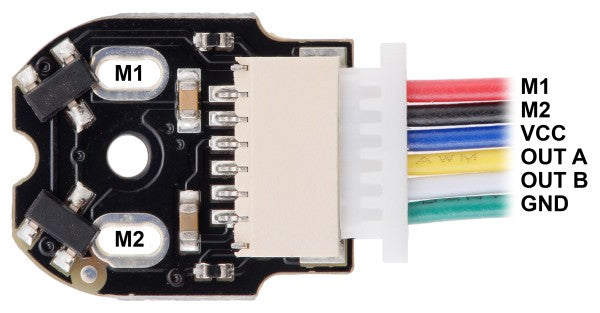
- Other magnetic sensors, such as magnetic proximity switches, measure the magnetic field of a specific object. This requires that the objects in question have a magnetic field.
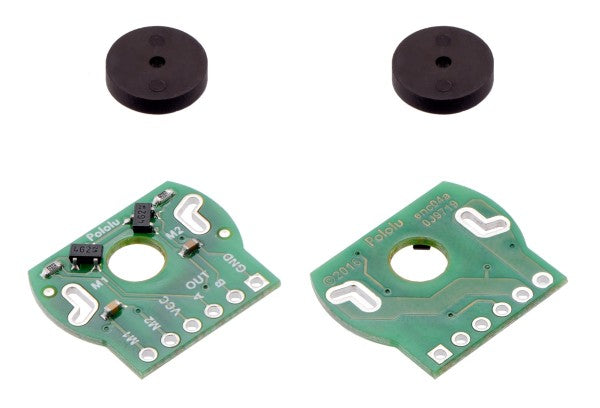
- Some sensors consist of a magnetic sensor and a freely movable magnet. This combination can be used for precise distance measurement.
The measurement method varies depending on the design. Magnetoresistive sensors are based on a change in electrical resistance caused by the magnetic field, whereas magnetostrictive sensors involve the deformation of a material within the sensor module.
Magnetic sensors for compass and navigation functions
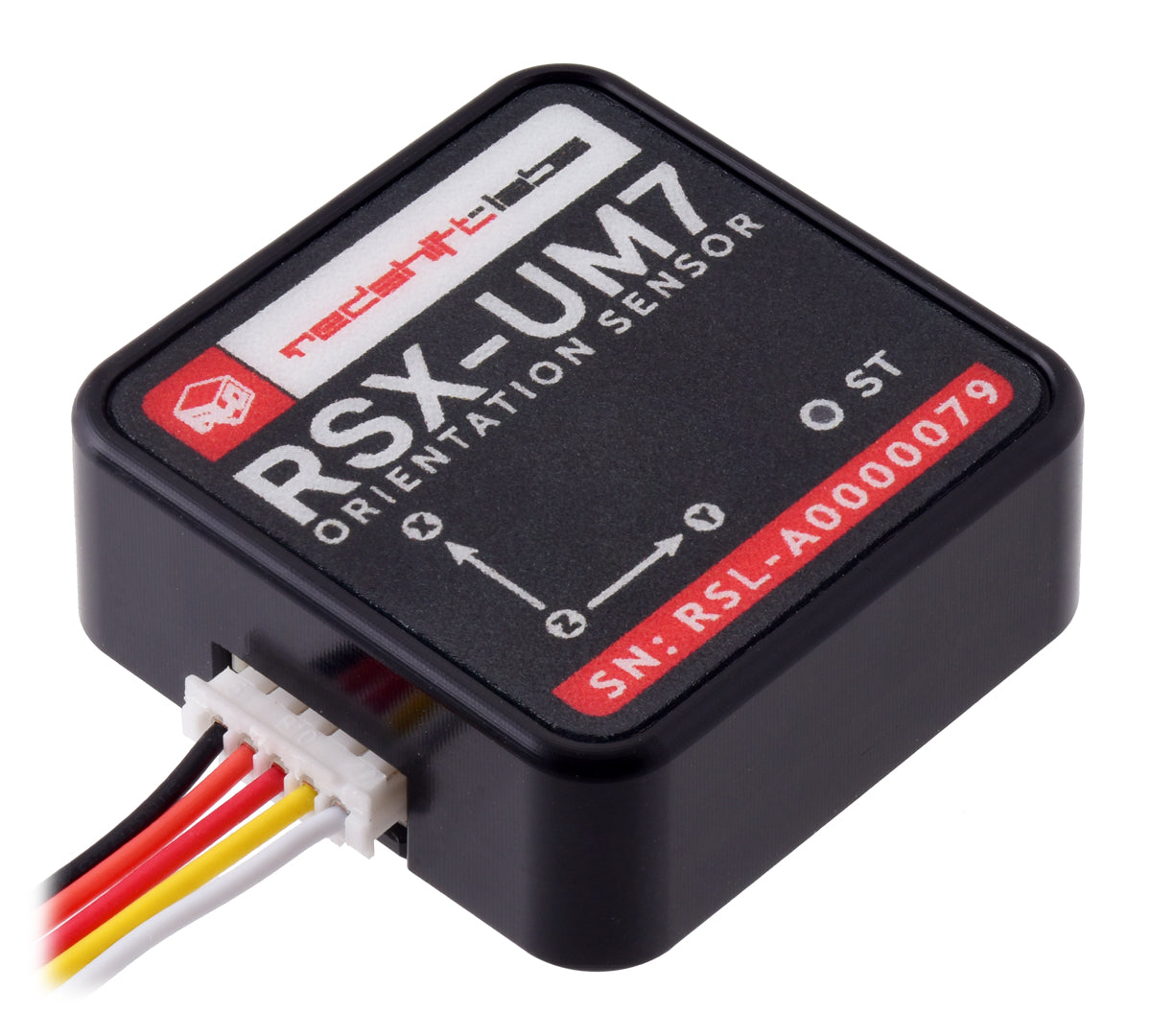
The function and purpose of geomagnetic magnetic sensors are obvious: these sensors use the Earth's magnetic field to determine the cardinal directions and thus form the basis of navigation. In the past, mechanical compasses with compass needles were used, but today electronic magnetic sensors perform this task. In practice, these sensors are found in the following areas, among others:
- Aircraft and space travel
- Navigation of cars and other vehicles
- Smartphones, tablets and navigation devices
- Robotics
Companies use a combination of several sensors for navigation. In addition to the magnetic sensor, the navigation function requires sensors such as acceleration sensors and gyro sensors. The measured values collected then enable precise position determination, even if alternatives such as GPS technology fail.
Further applications for magnetic sensors
Magnetic sensors are also widely used in industry. A prominent example is equipment in the metalworking industry. Many metals have their own magnetic field and are therefore ideal for a magnetic sensor that is coupled with Arduino or another microcontroller. These sensors can be used to collect a wide range of measurement data on size, properties or for other purposes. On conveyor belts, it is often important to use a magnetic sensor to detect the presence or absence of metallic goods. For objects with their own magnetic field, these magnetic sensors are a welcome alternative to inductive sensors.
Find the perfect magnetic sensor for your project
If you want to buy a magnetic sensor from EXP Tech, you are making the right decision: here you can choose from numerous variants of magnetic sensors. In the first step, narrow down your search to the basic types you require, then compare the technical details of the respective sensor variants. For geomagnetic sensors for navigation, for example, the following aspects deserve attention:
- Dimensions of the sensor
- Measuring range
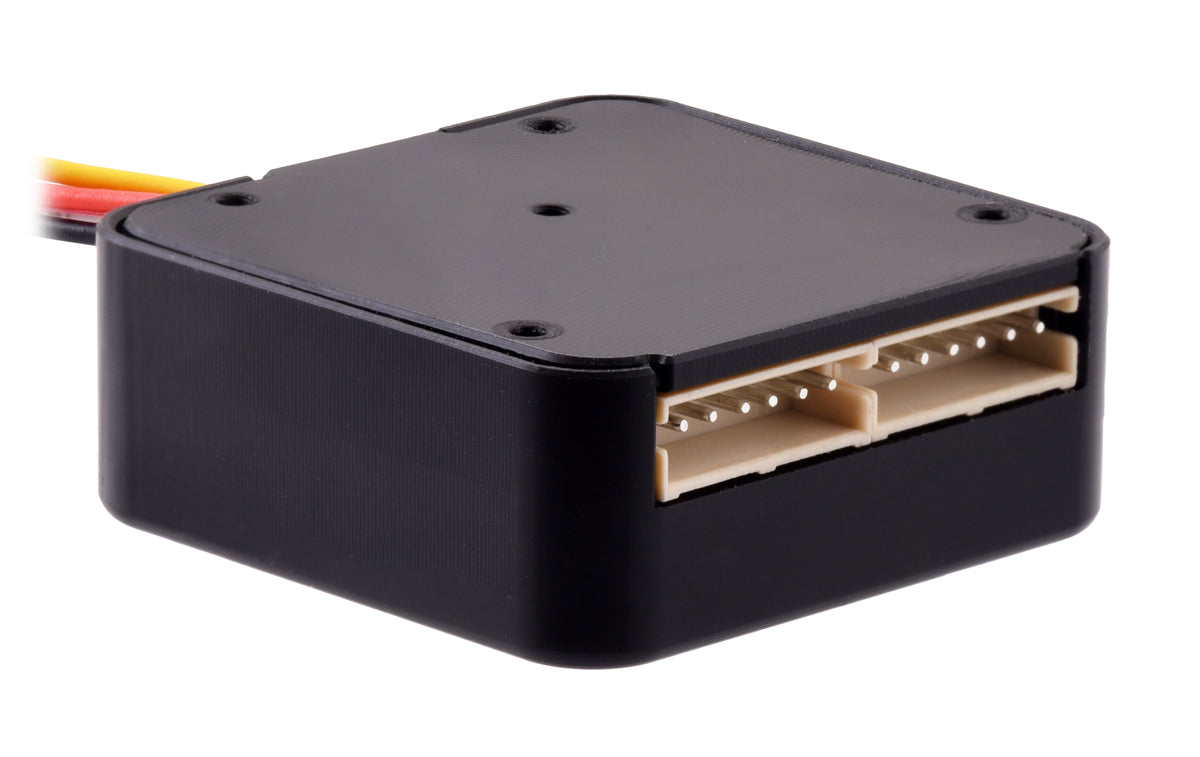
- Number of serial and I2C interfaces
- Compatibility with microcontrollers (Arduino magnetic sensor and similar)
- Individual setting options for aspects such as switching distance
- Additional sensors such as acceleration sensors or direction sensors
Take advantage of EXP Tech's customer service and purchase magnetic sensors that meet all your requirements!