
Click here to return to the LoRaWAN overview.
Benefits of LoRaWAN sensors at a glance
1. Low power consumption: The low energy use reduces maintenance costs and extends device lifespan.
2. Long range: LoRaWAN sensors have a range of up to 10–15 kilometers in rural areas and up to 5 kilometers in urban environments.
3. Security: Transmitted data is protected and only accessible to authorized users.
Where are LoRaWAN sensors used?
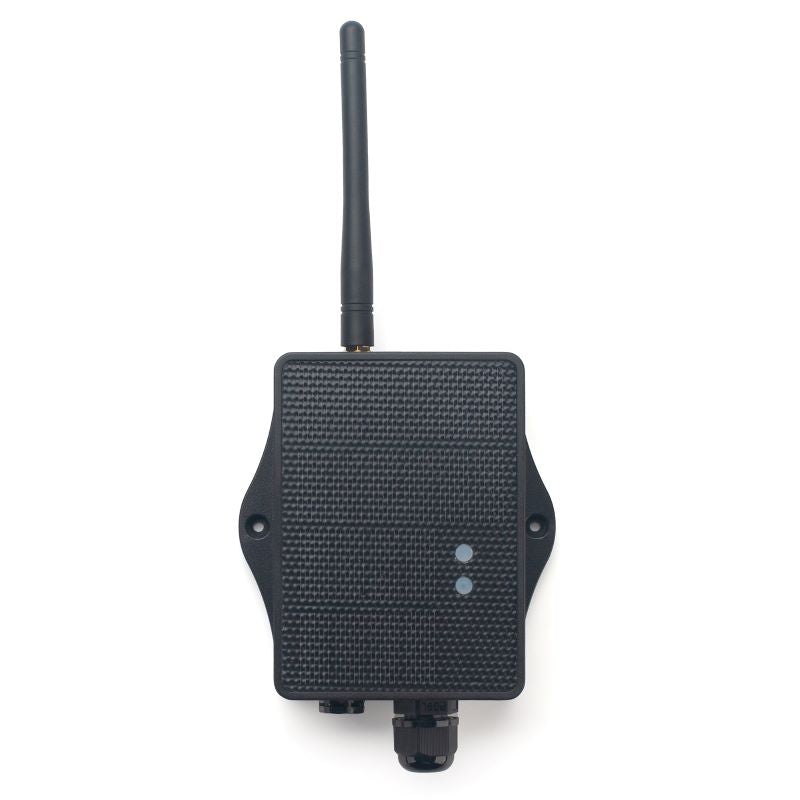
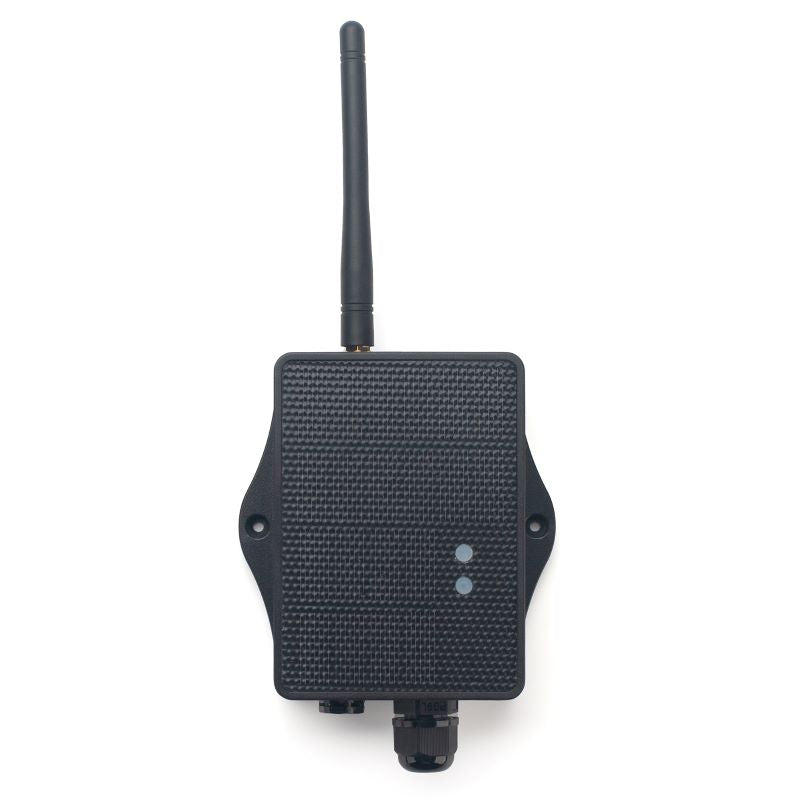
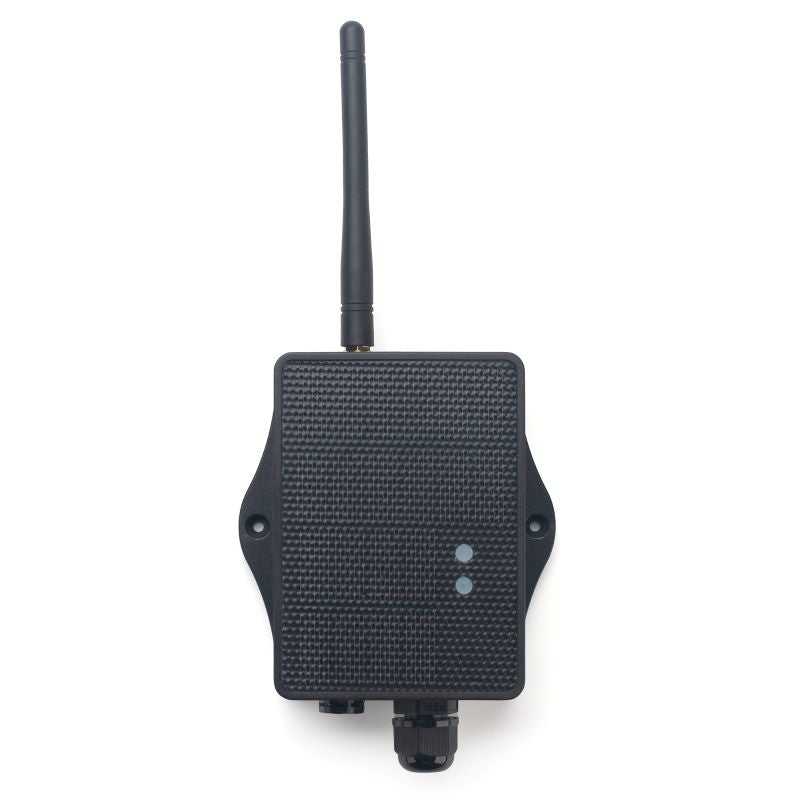
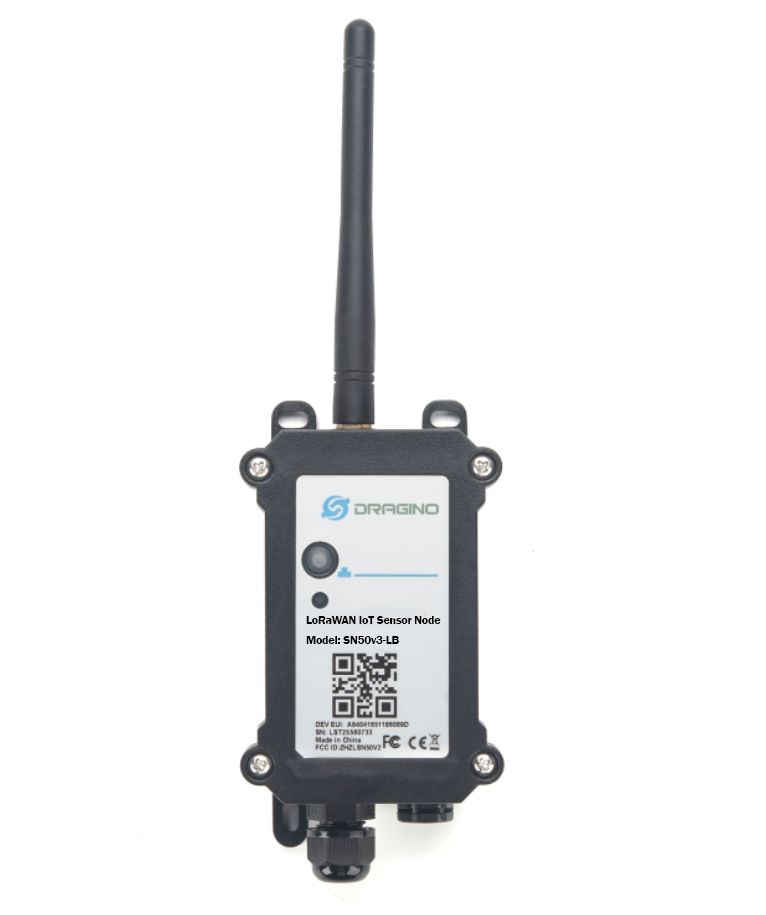
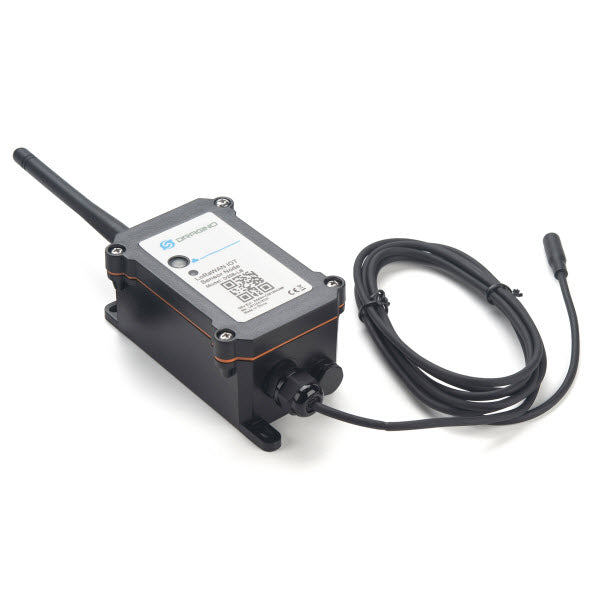
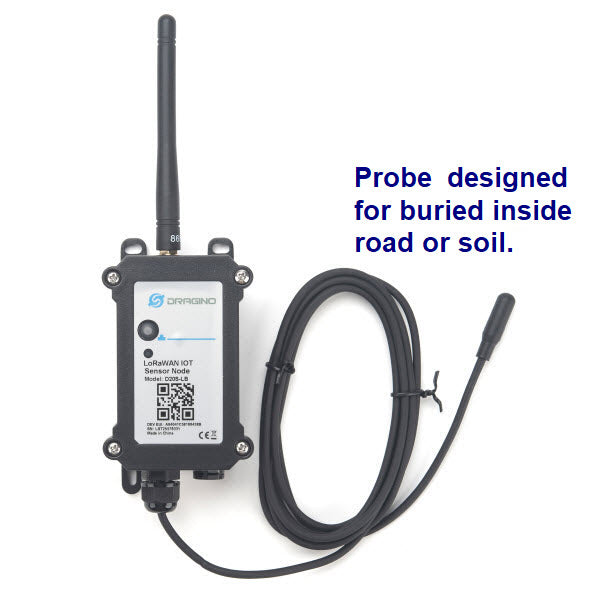
LoRaWAN sensors are, in short, electronic receivers of data sets that are then relayed via gateways. Thanks to their accuracy and real-time transmission, these devices are highly versatile.
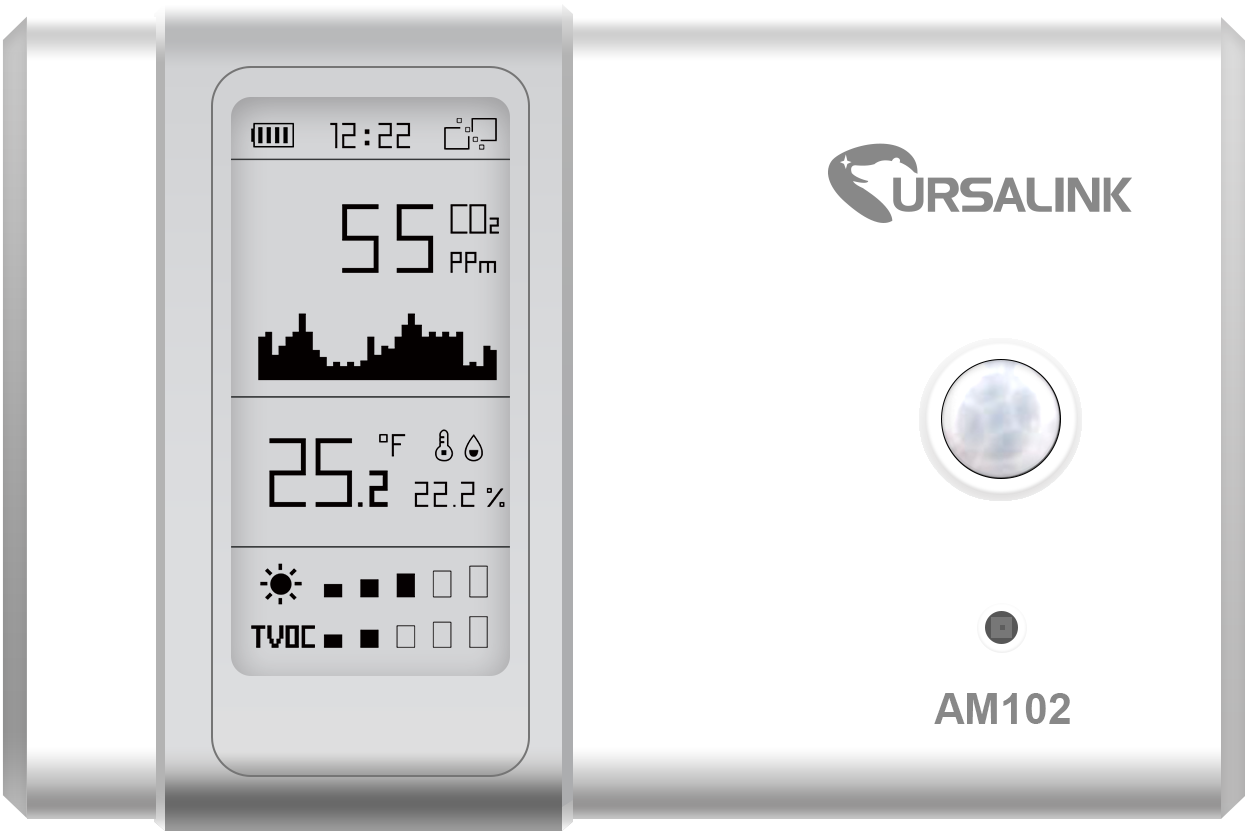
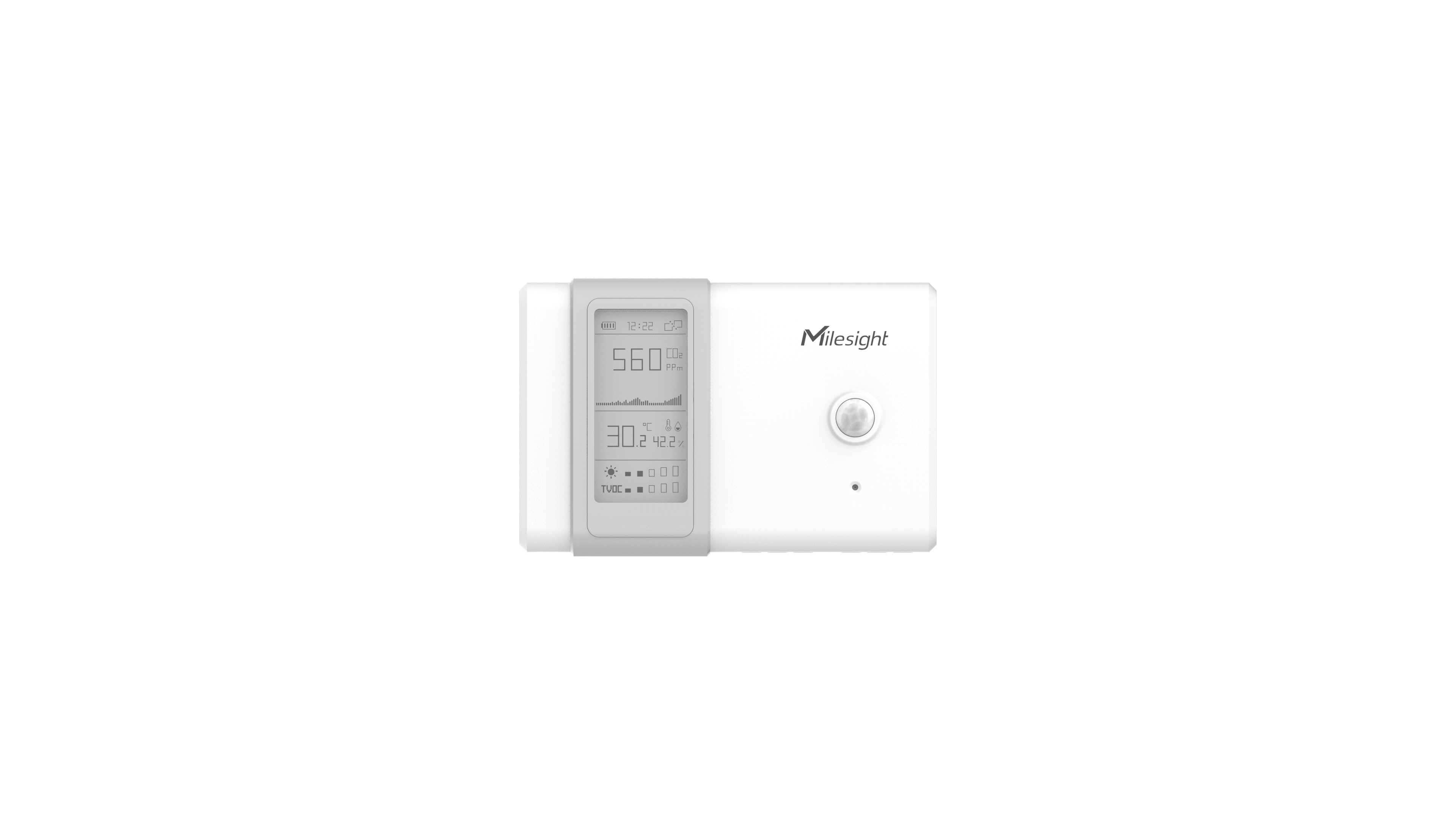
Typical applications include environmental monitoring within buildings or rooms. LoRaWAN sensors can measure humidity, air pressure, temperature, or CO2 levels, while also considering the room’s current state.
If people are present in the room, the sensor recognizes a different environmental condition than if the space is empty. The sensor can distinguish between the two, for example, by detecting movement or similar signals—allowing for precise evaluations and direct comparisons.
Overview of LoRaWAN use cases
|
Use case |
Example applications |
LoRaWAN sensor |
|
Smart City |
Waste management, street lighting, parking space monitoring |
|
|
Smart Farming |
Soil moisture, weather stations, livestock tracking |
|
|
Smart Building |
Energy consumption management, air quality monitoring |
|
|
Smart Metering |
Remote meter reading for electricity, water, and gas |
Dragino CS01-LB-EU868 LoRaWAN 4 Channels Current Sensor Converter |
|
Tourism |
Monitoring visitor flow and queue management |
The LoRaWAN sensor explained using two examples
The Dragino LHT65N is an energy-efficient temperature and humidity sensor—an ideal example of the performance of LoRaWAN sensors. It can transmit data over extremely long distances, offering great deployment flexibility. Notably, its interference resistance and low power consumption are major benefits. With a 2400 mAh battery, the LHT65N can operate for up to 10 years.
Integrated data logging function
Even without network coverage, this LoRaWAN sensor performs reliably. Thanks to its built-in datalog feature, it stores sensor readings locally, allowing later evaluation without data loss. Naturally, it is fully compatible with the V1.0.3 Class A protocol and works seamlessly with standard LoRaWAN gateways.
Versatile use
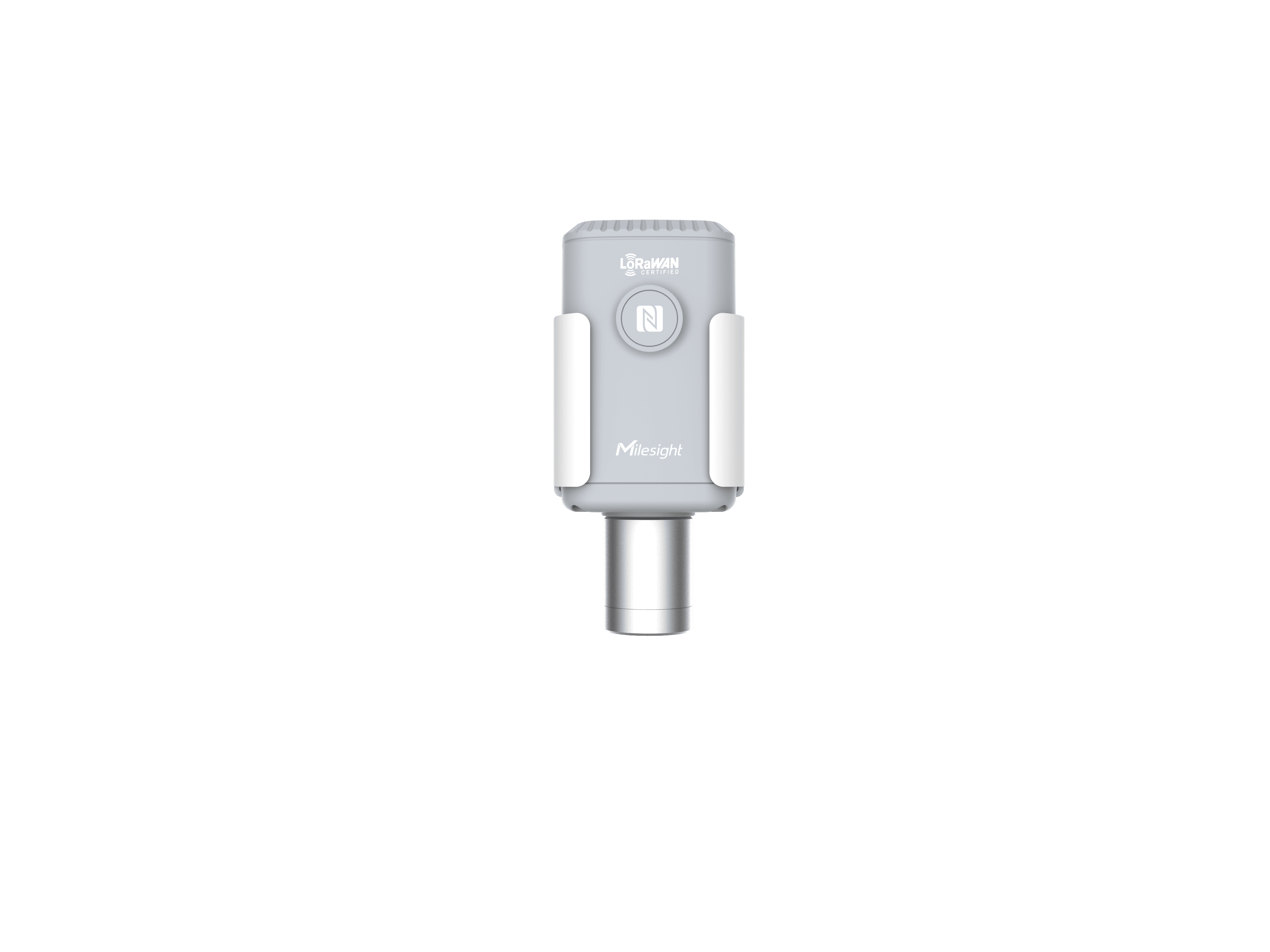
The Dragino LHT65N is often used in irrigation systems, smart meters, smart cities, or building automation. Meanwhile, the LoRaWAN Sensor EM500-CO2-868M is also used in warehouses and surroundings for monitoring and even for forest fire detection. These two examples clearly demonstrate the flexibility of LoRaWAN sensors.
What is a LoRaWAN network?
A LoRaWAN network connects multiple LoRaWAN sensors and transmits their collected data via gateways to a server. The term IoT sensors is often used in this context. IoT means Internet of Things, referring to the use of physical objects within a network—each playing a different role or task depending on its design and the user's needs.
Conclusion: LoRaWAN as a leading technology in the IoT universe
LoRaWAN technology offers a robust solution for data collection, transmission, and analysis in diverse IoT applications. LoRaWAN has hit the IoT sweet spot where many other technologies fall short. As a result, it has become one of the leading technologies driving the growth of the IoT ecosystem and enabling innovative solutions across various industries.