
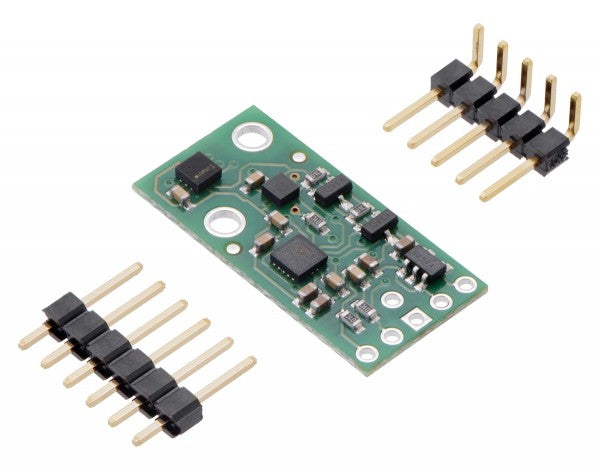
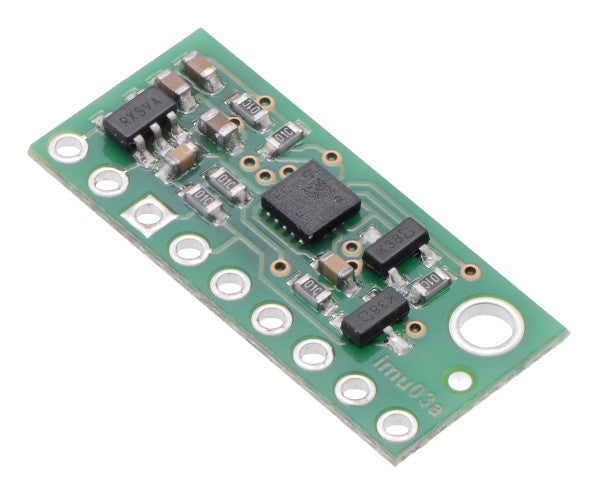
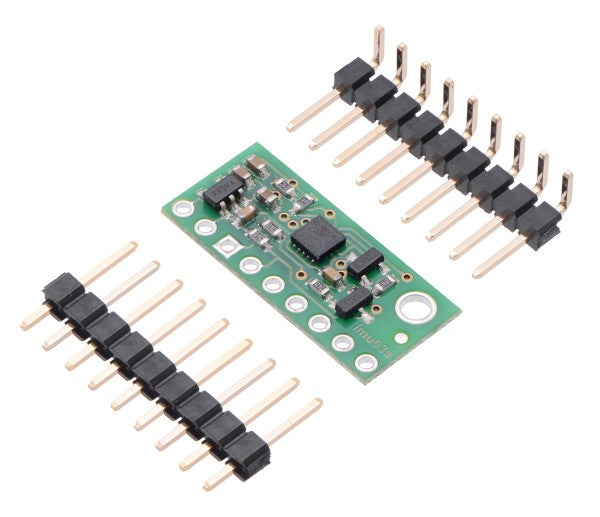
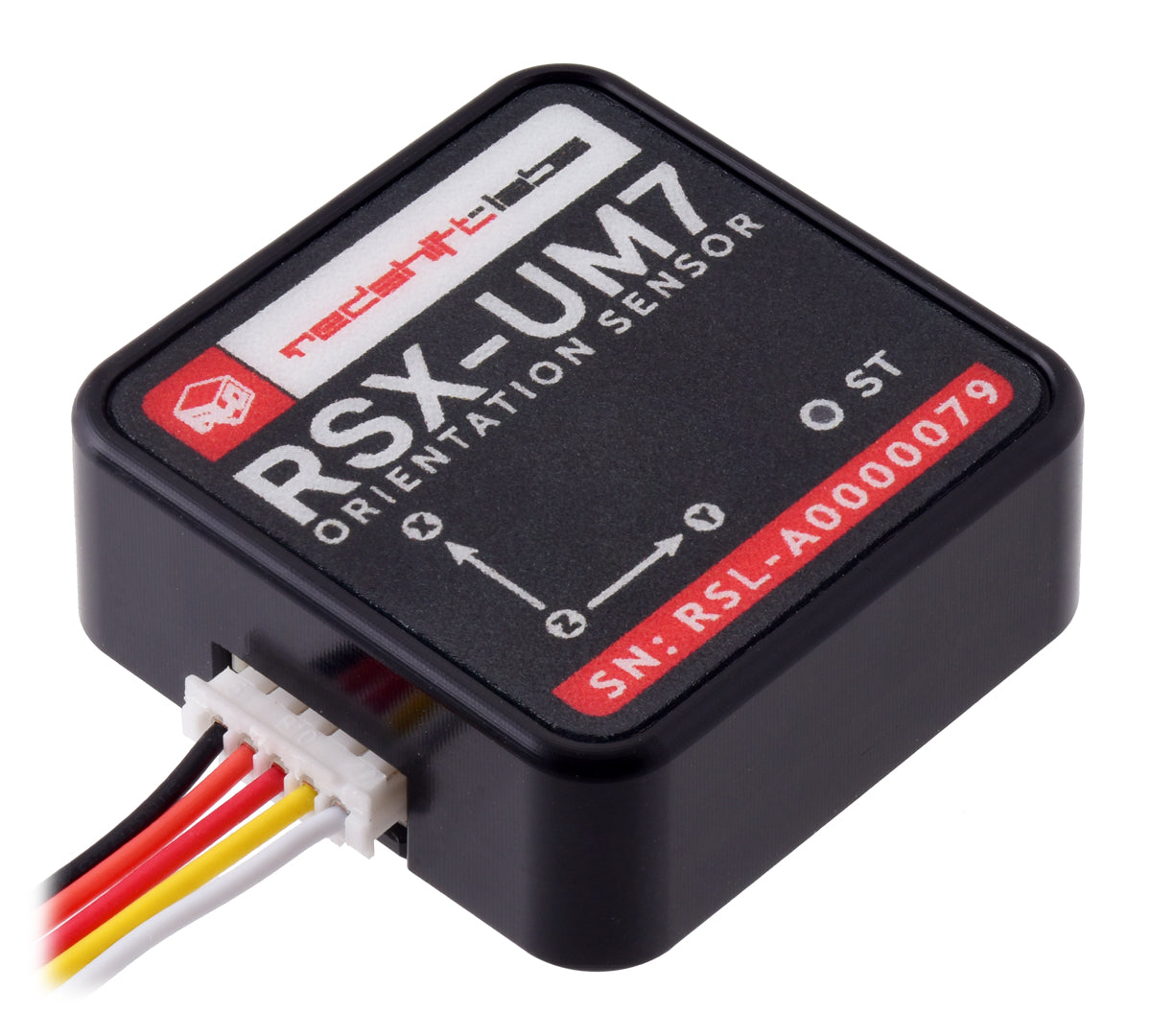
What acceleration sensors do
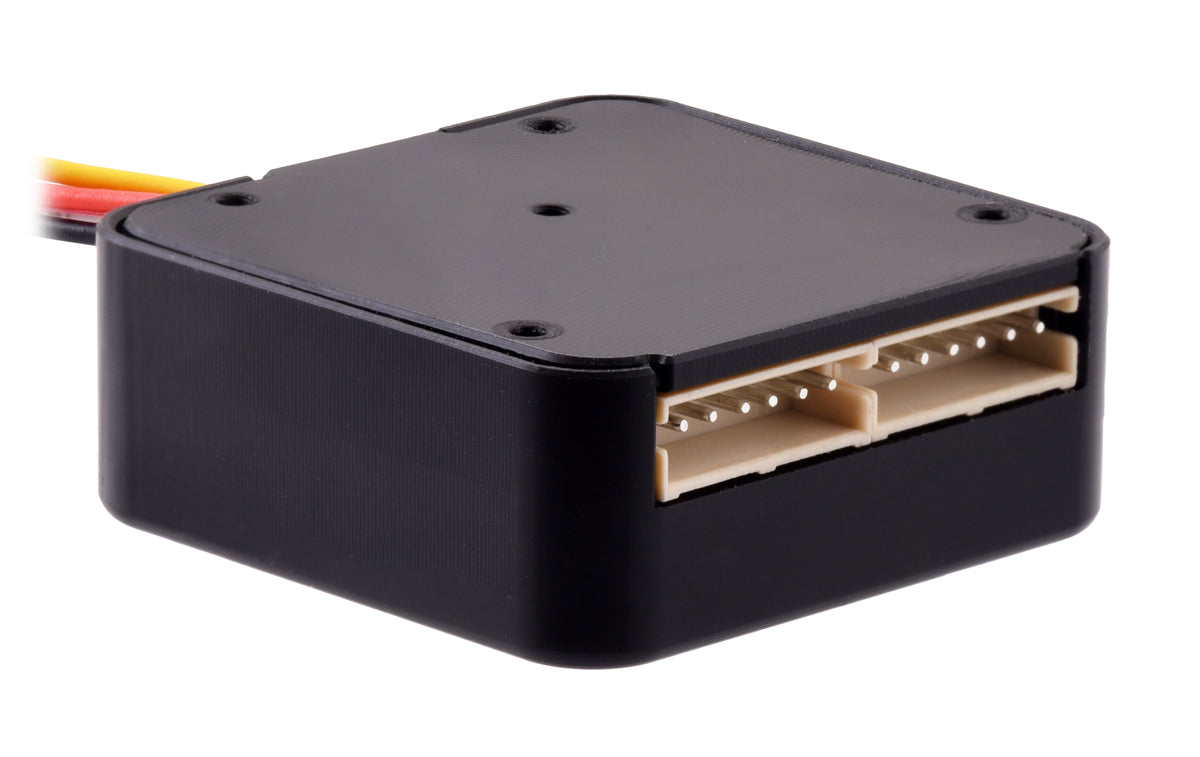
Accelerometers, also known as accelerometers, provide reliable information about changes in speed: the sensors are located inside the respective measuring object, such as a vehicle or a mobile device. The positioning within the object is essential for the special functionality of acceleration sensors to unfold.
In these sensors, a mass moves, and the increase or decrease in speed causes the corresponding movement. Microsystems are compact modules with tiny components, and capacitive acceleration sensors are particularly common. These sensors represent spring-mass systems, where the spring and mass components are usually made of silicon. When movement occurs, the electrical capacitance changes, and the acceleration sensor digitally calculates the acceleration on this basis.
A wide range of applications for acceleration sensors
A acceleration sensor can be used to overcome numerous technical challenges. They play an important role in vehicles, aircraft and rockets. It is obvious that measuring acceleration in these devices is important in a variety of ways. Examples:
- Airbag systems rely on acceleration sensors.
- In some car alarm systems, the alarm is triggered by acceleration sensors.
- Accelerometers are also used in electronic systems for analysing vehicle movements.
These sensors can also be found in mobile devices such as smartphones. For example, smartphones can be controlled with various movements, which the mobile phone acceleration sensor measures. Also worthy of mention are video game consoles and accessories, which transfer the movements of players to the game.
In industry, these inertial sensors also provide valuable services. For example, they can be used to detect vibrations in machines. Here, the sensors are used for monitoring, among other things.
Buy accelerometers: This is what matters
The first step is to determine what type of accelerometer you want. Microsystems are suitable for most applications and have several advantages over classic piezoelectric sensors:
- compact design
- low unit cost
- impressive measurement accuracy
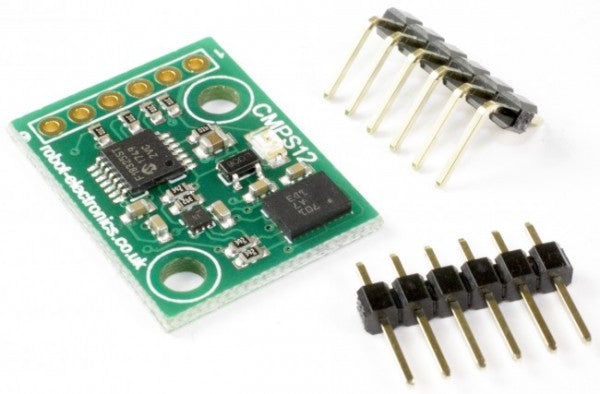
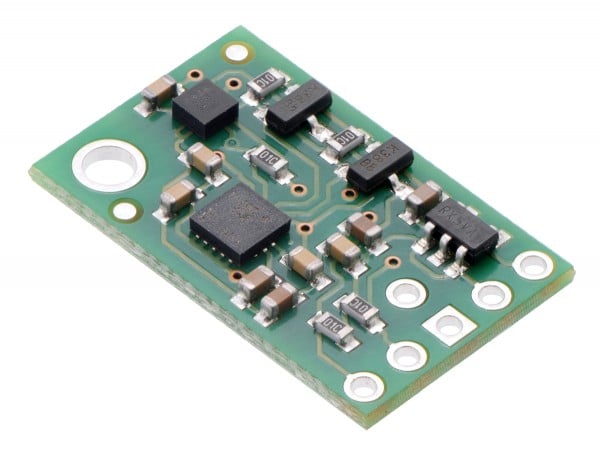
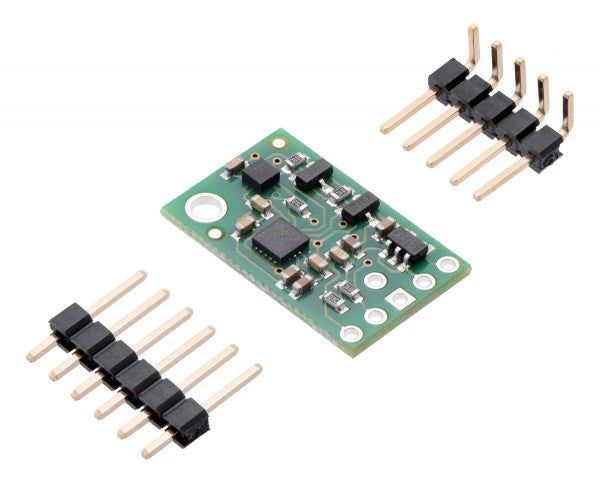
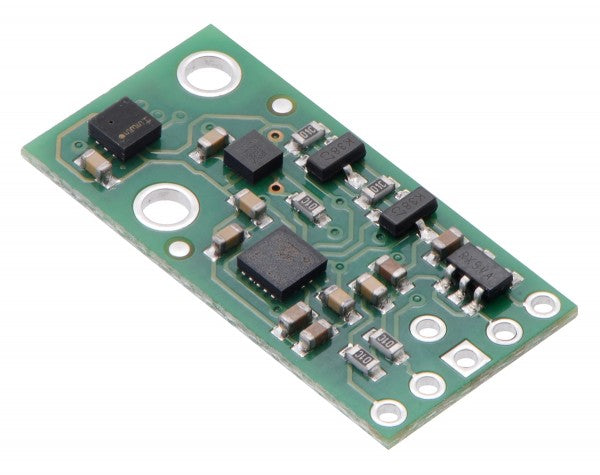
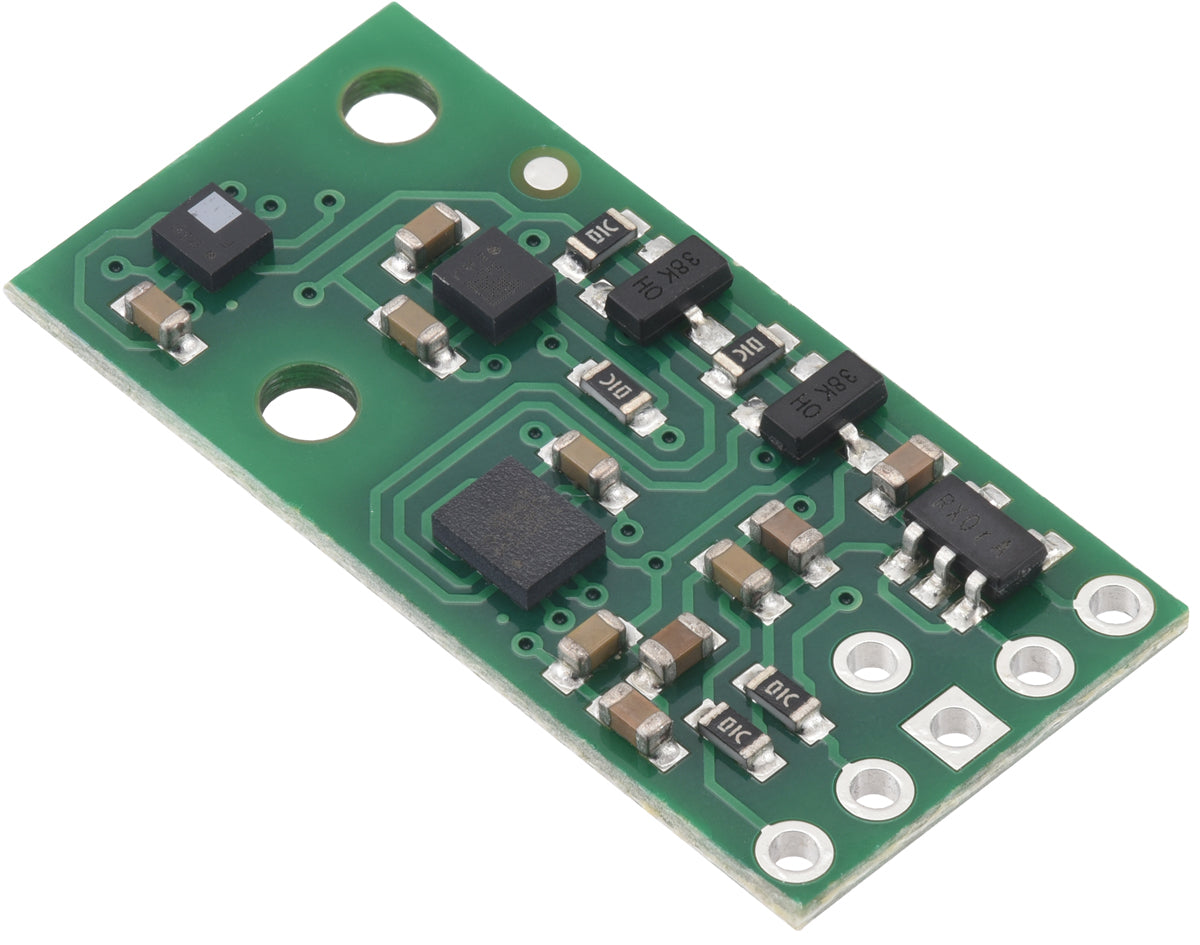
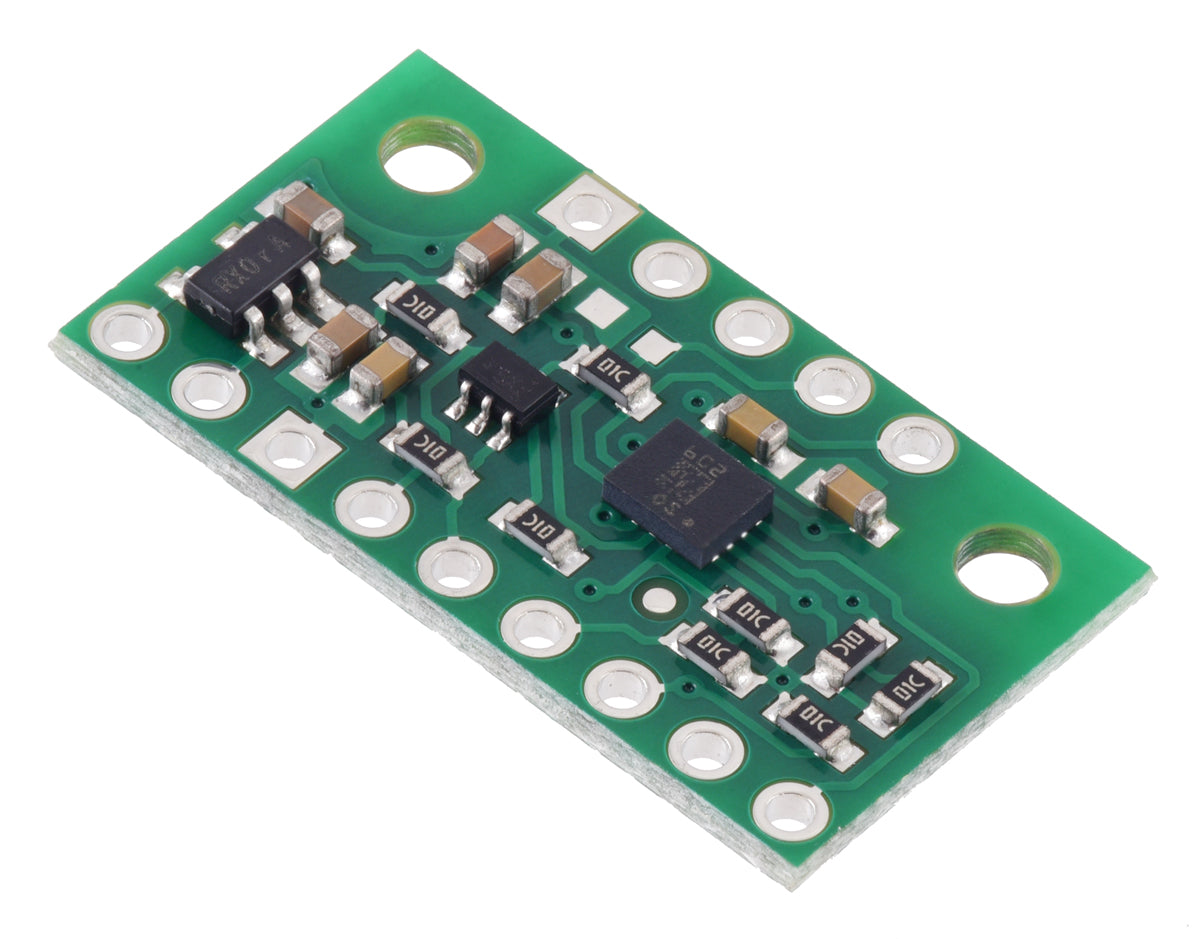
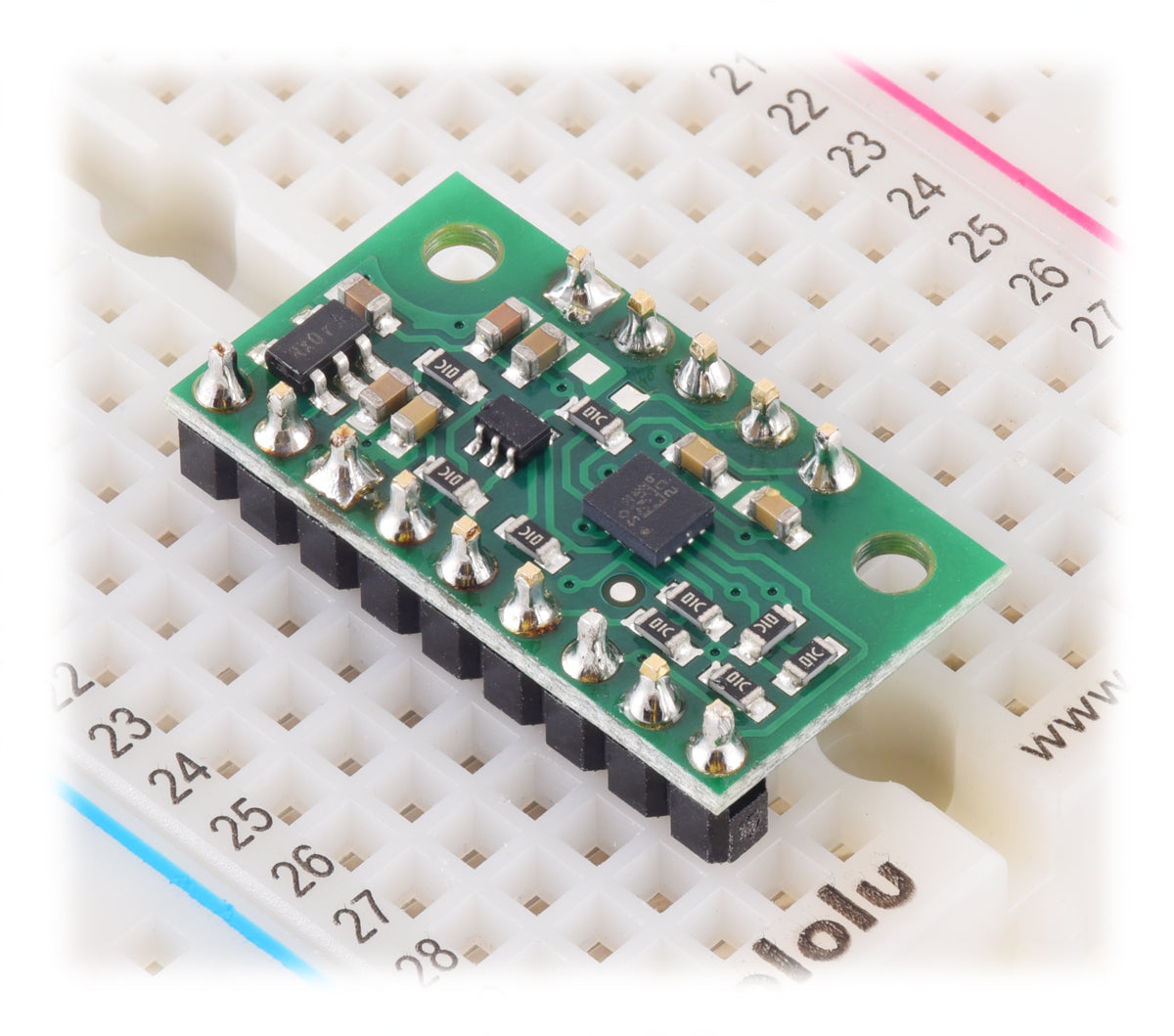
Here in your specialist shop for electronics, you can choose from a wide range of models from well-known manufacturers such as Pololu and Waveshare. When making your purchase decision, pay attention to aspects such as measuring range, measurement precision and compatibility with Arduino and co.
It is also important to consider whether you need additional functions. Many models feature other sensors such as a rotation rate sensor or a temperature sensor in addition to an acceleration sensor. Find out more about acceleration sensors on the individual product pages!
What is an acceleration sensor?
Accelerometers measure whether and to what extent the speed changes. In general, these sensors are based on the principle of inertia – the sensors have a movable mass. However, the specific measurement methods differ. All sensors in this category refer to linear acceleration. Rotational speed sensors are often recommended as a supplement.
How do accelerometers work?
Accelerometers usually consist of two moving components, for example a mass attached to a spring. In the case of capacitive sensors, there is also a reference electrode. The interaction between the spring, the mass and the reference electrode allows the electrical capacitance and thus the acceleration to be calculated.
What types of acceleration sensors are there?
The way in which acceleration sensors work is similar for different variants, but there are differences. A distinction can be made between piezoelectric acceleration sensors and microsystems. In this shop, you can buy compact microsystems that digitally forward signals to a microcontroller. In the case of capacitive microsystems, the sensor measures the electrical capacitance, while other measured variables such as electrical resistance are measured.
What should I look out for when choosing an acceleration sensor?
One relevant criterion is the range of functions. Some models combine an acceleration sensor with a rotation rate sensor and other sensors. It is also important to know whether a microcontroller is integrated and which microcontrollers the acceleration sensor is compatible with.