
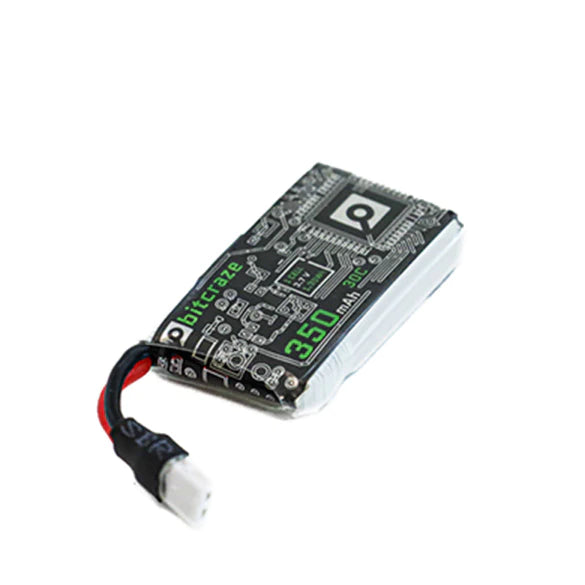
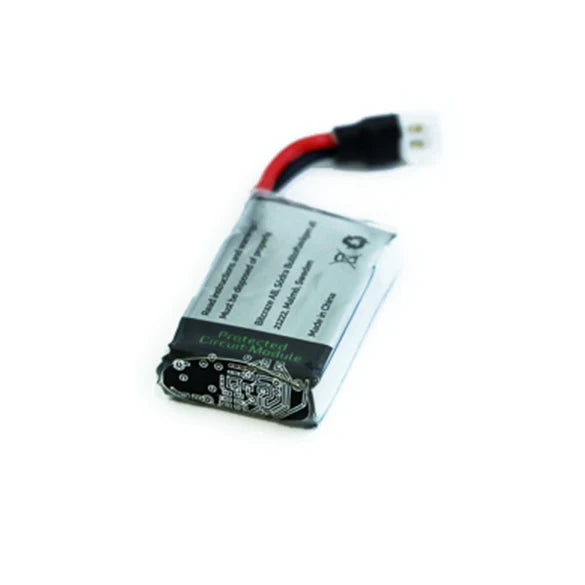
What makes a LiPo battery special
A lithium polymer battery is an advanced version of the lithium-ion battery. Both types are based on the same principle: lithium ions and electrons move between the two poles in opposite directions through an electrolyte. In a lithium-ion battery, however, the electrolyte is liquid, which requires a rigid housing. In contrast, a LiPo battery uses a solid or gel-like electrolyte, allowing for impressive flexibility in design. These batteries can be manufactured in almost any shape.
Lithium polymer battery: advantages and disadvantages at a glance
The variety of shapes and sizes is the main advantage of LiPo batteries. In our online electronics shop, for example, you can purchase a 3.7-volt battery in an ultra-thin, flat, or round design. Especially ultra-thin polymer batteries are widely used. They’re suitable for many electrical and electronic devices such as tablets, Bluetooth speakers, and flashlights. These batteries are also commonly used in model building.
In addition, LiPo batteries share many benefits with classic lithium-ion batteries, such as:
- high energy density
- full power output until completely discharged
- low cost
But there are also differences. In operation and storage, a LiPo battery can have some drawbacks, particularly due to its high sensitivity to temperature. There’s also a significant risk of overcharging damage. Despite these drawbacks, the advantages often outweigh them. However, it’s important to familiarize yourself with lithium polymer battery safety beforehand. In particular, ensure the battery is never overcharged, as this can compromise safe operation and reduce its lifespan.
How to find the right LiPo battery for your needs
If you’re planning a project with a lithium polymer battery, you’ll find a wide selection here at EXP-Tech. Choose from various shapes and, for example, buy a 3.7-volt battery with 75 mAh or 2,700 mAh.
Also consider the following criteria:
- Does it include a protection circuit?
- What is the internal impedance?
- What is the battery’s charging behavior?
- What are its discharge characteristics?
For charging behavior, pay attention to key parameters such as charging voltage, current, and temperature. For discharge behavior, look at aspects like cut-off voltage and operating temperature.
Also check how many life cycles the manufacturer specifies, and whether that meets your requirements. Typically, this figure refers to the minimum capacity retained after a certain number of cycles. For example, manufacturers may state that the battery still maintains more than 80% of its minimum capacity after 300 cycles.
You can find all the technical details of the LiPo batteries on the individual product pages. Take a look at the different models and choose the right LiPo battery for your project here at EXP-Tech!